The Real Science of Special Diets: What Works, What’s Hype, and How to Choose the Right One for You
Published on July 21, 2025
Let’s be honest: When you begin looking for the “perfect” way to eat, you’re swimming in a pool of promises, quick-fix before and after photos, intimidating rules and influencers with six-pack abs trying to sell you magic. It’s easy to get lost. I want to be the friendly hand that pulls you out of this confused and confusing ocean and helps you build a life around food that includes not just health, but real enjoyment, sustainability and fun.
A “special diet” is any way of eating that’s governed by a set of rules as to what, when and how much to eat or avoid. People may adopt a vegan diet for any number of reasons: to lose weight, to combat health conditions or to further athletic performance, as a way of embracing cultural or religious traditions, out of concern for the environment, or just as a way to test out an unusual set of recipes.
The real secret? There’s no “best diet” that applies to everyone — and there is no one-size-fits-all answer. The goal is to find what is right for you, based on the best science we have, your lifestyle and your values.
Break down the most popular and talked-about special diets and delve into what actually works (and doesn’t) so you can make intelligent choices without falling prey to the latest social media fad.
Mediterranean Diet: Where Delicious Meets Healthy
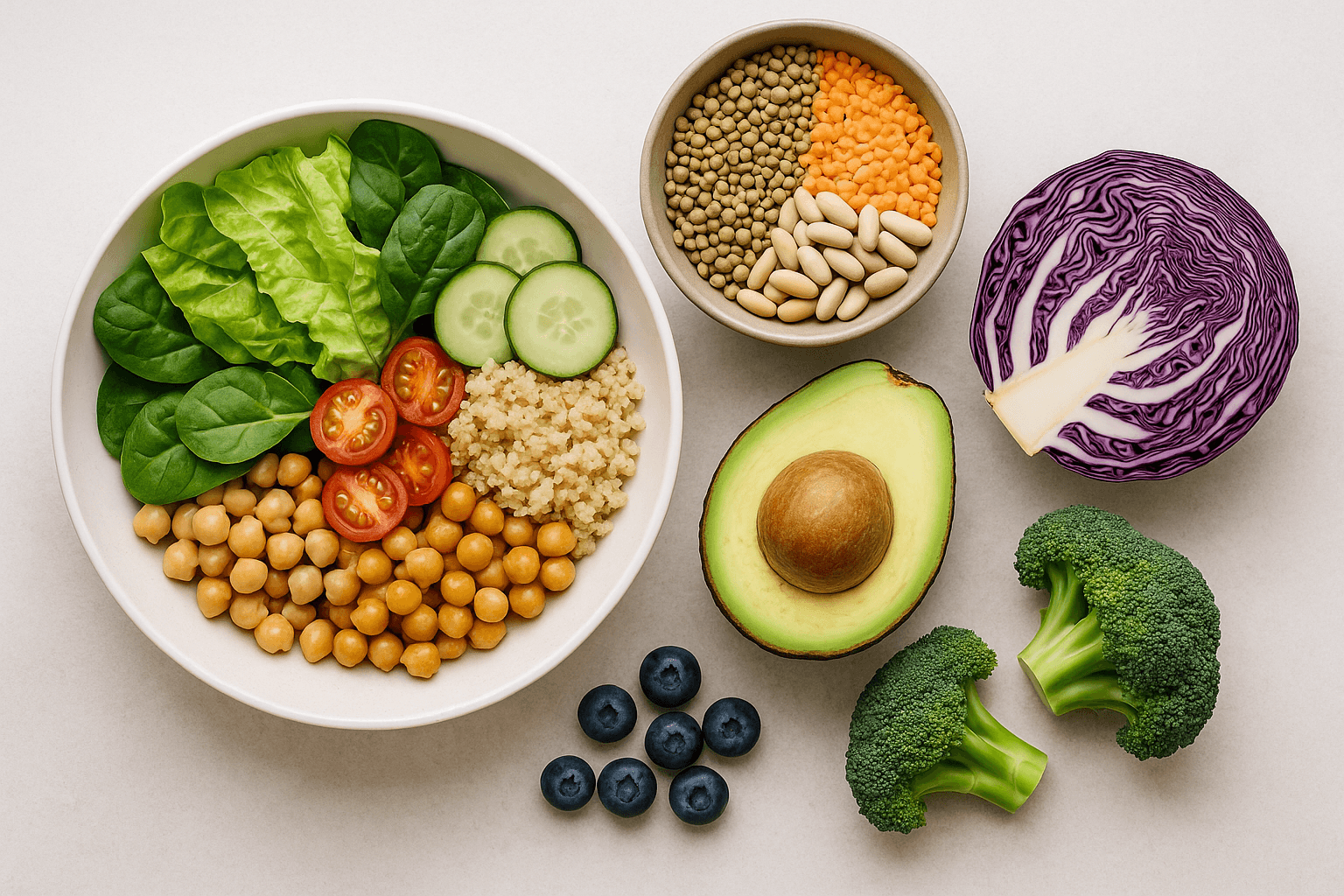
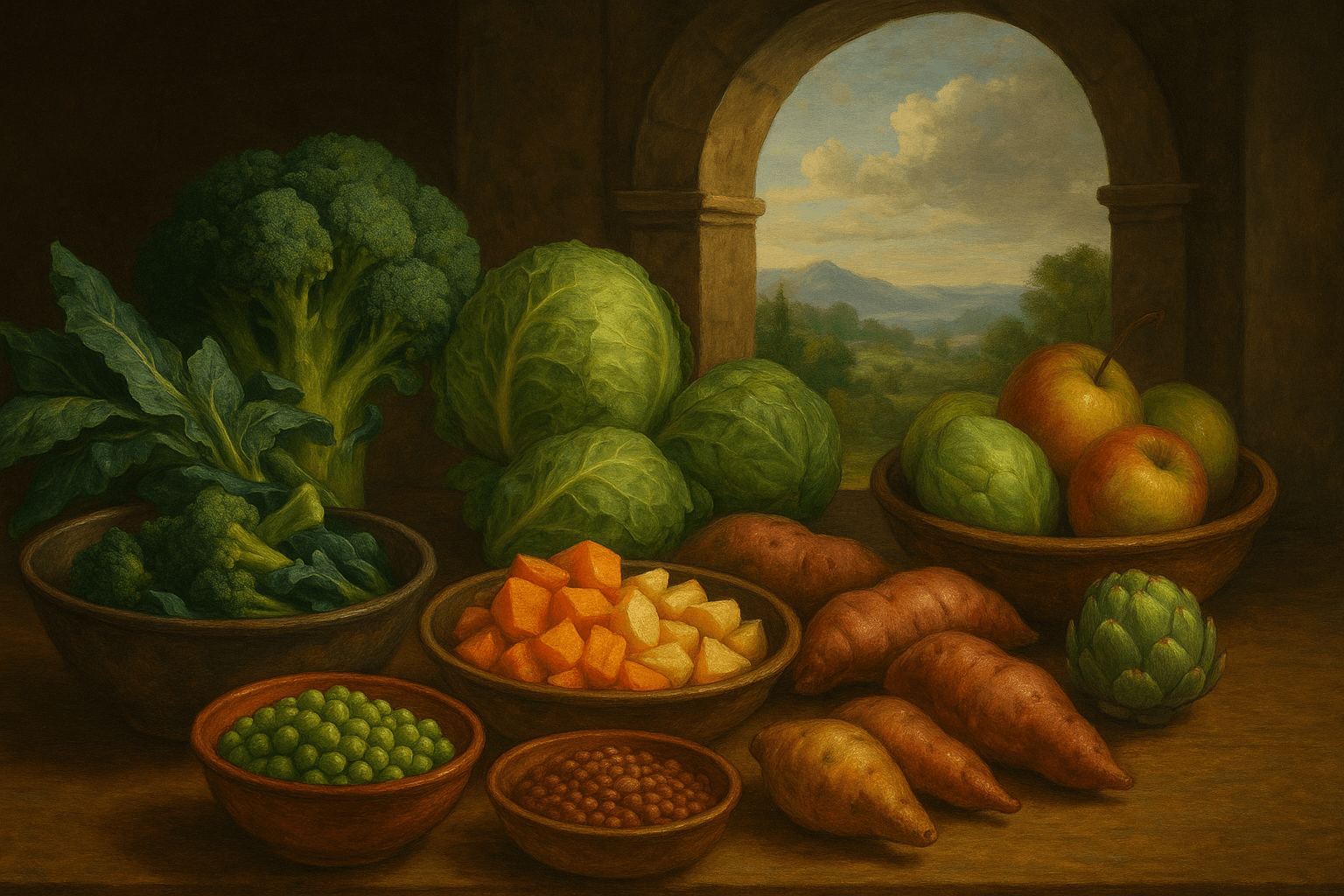
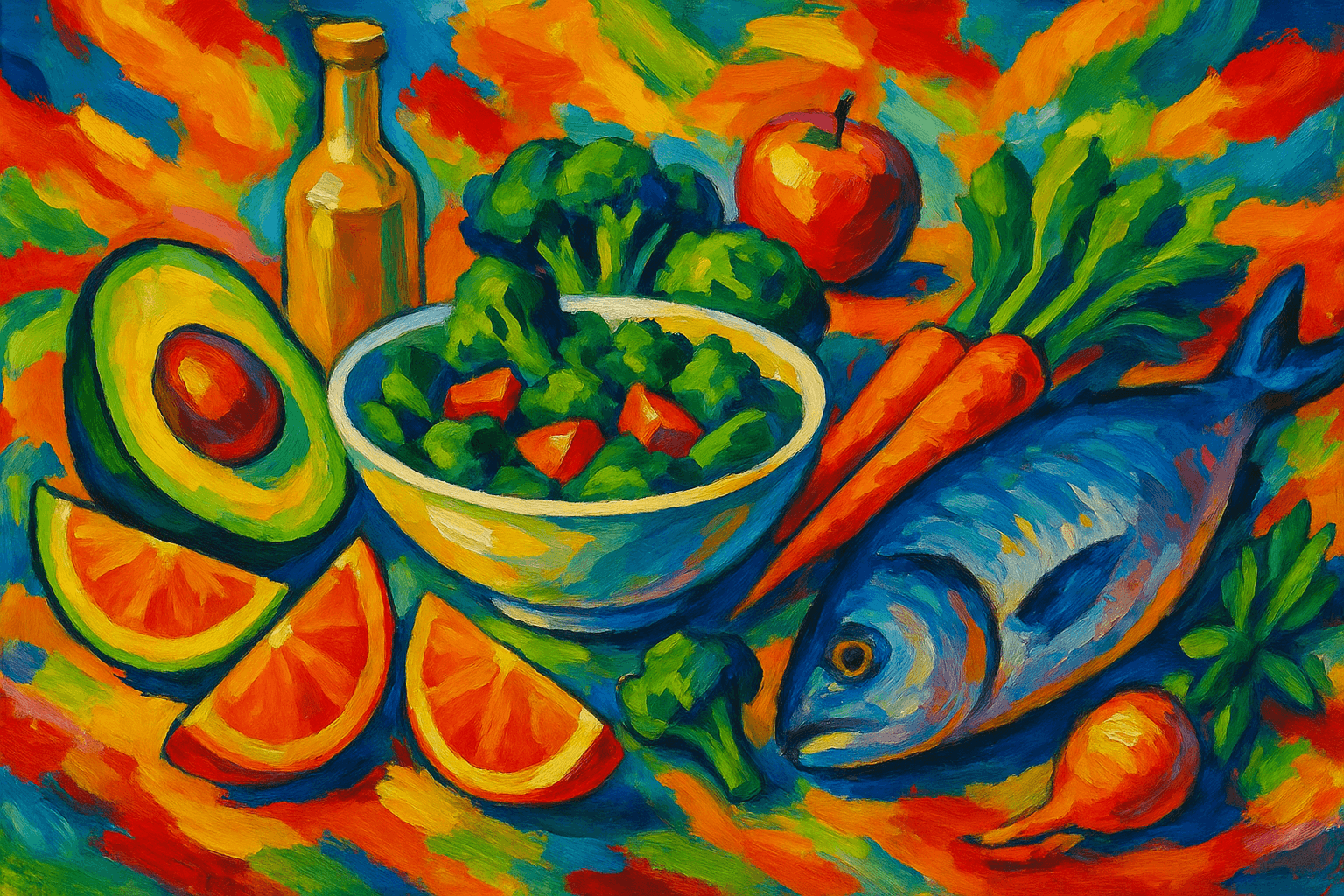
This is not a “diet” in the sense of some torturous, restrictive thing you can’t wait to escape. It’s a way of life — and of eating — that revolves around real food, connection, and an upbeat approach to meals. The Mediterranean way means: Plenty of vegetables, fruits, legumes, whole grains, nuts, and seeds Primary fat source is olive oil Daily fish and shellfish, occasional poultry and eggs Limited red and processed meats Small amounts of dairy, fermented if possible, like yogurt or cheese Red wine in moderation (optional) Treats and sweets are special-occasion, not everyday, foods
Why does it work? It’s packed with fiber, healthy fats, anti-oxidants and other anti-inflammatory nutrients. It’s good for your heart, reduces the risk of developing diabetes and certain types of cancer, helps maintain a healthy weight and might even preserve your mind’s cognitive functions as you age.
Why do people love it? Because it’s not about deprivation! Meals are a social event, food tastes good and there’s nothing that’s completely off-limits — just considered and well-planned.
Common pitfalls: It can cost more, if you concentrate on theme items and could mean learning new recipes or cooking techniques. But the payoffs are potentially so great that it’s worth the investment.
DASH Diet: TheDASH diet is all about blood pressure
DASH is short for Dietary Approaches to Stop Hypertension. It was designed to lower blood pressure, but it’s proven to be just about one of the healthiest eating patterns out there. The basics: Plenty of fruits (optimally 4-5 servings per day) and vegetables daily Whole grains Other lean proteins such as fish, poultry, and beans Low-fat or fat-free dairy Low sodium (Ideally less than 2,300 mg per day, less for some people) Very little simple sugars and processed food
Why does it work? Rich in potassium, magnesium, calcium and fiber– all of these help reduce blood pressure naturally. It has been shown to decrease hypertension, lower cholesterol and regulate weight.
Who is it for? Pretty much anyone can benefit, though it’s especially good for those with, or at risk for, high blood pressure, heart disease or stroke.
Tips for success: Prepare vegetables the night before Try using herbs and spices rather than salt Experiment with different whole grains such as quinoa, barley, or farro
Low-Carb, High-Fat Diets: Treat Or Fad?
Diets low in carbohydrates have been prevalent in the United States for years, but the ketogenic diet became all the rage last year. Here’s what you need to know: Low-carb: Generally refers to eating 50-150g of carbs per day (a bagel, for example, contains around 50g). You’ll eat fewer carbohydrates, and you’ll eat more protein, healthy fat and non-starchy vegetables Keto: Ultra low-carb (20-50g/day), moderate protein, high fat. You want to achieve ketosis — a state where your body burns fat for fuel
Why do people try it? Quick initial weight loss, less hunger, improved blood sugar control for some and a feeling of a “clear mind”
What are the real results? Both diets can help people lose weight and do so over the short term to improve metabolic health It's also easier to control blood sugar for some people with type 2 diabetes
BUT: It’s pretty difficult to adhere to strict keto over the long haul Vitamins and minerals, and fiber can run low if not careful Long-term effects are still unclear Not for anyone with certain medical conditions, children or some pregnant women without a doctor’s care
Is it for you? If you are a lover of steak, eggs and avocados and feel good eliminating carbs, it can work — just don’t skimp on vegetables, and regular check-ins with a professional are crucial
Plant-Based Diets: Vegetarian, Vegan or Flexitarian
Vegetarian diets omit meat and fish, although many enable consumption of dairy and eggs Vegan diets cut out all animal products, from meat and seafood to dairy, eggs and honey Flexitarian is being “mostly” plant-based, with the occasional animal food
Why try it? Reduced risk of heart disease, diabetes, certain cancers Easier weight management for many Better for the planet: Lower carbon footprint, water and land use
But… Vegans need a vitamin B12 supplement and often need to be mindful of adequate intakes of iron, zinc, calcium, omega-3 fat and protein Not all vegan food is healthy — after all, fries and cookies are technically vegan! Flexitarianism can provide the best of both worlds — more plant foods, but optionality for social situations, as well as for those nights when we just need a cheeseburger
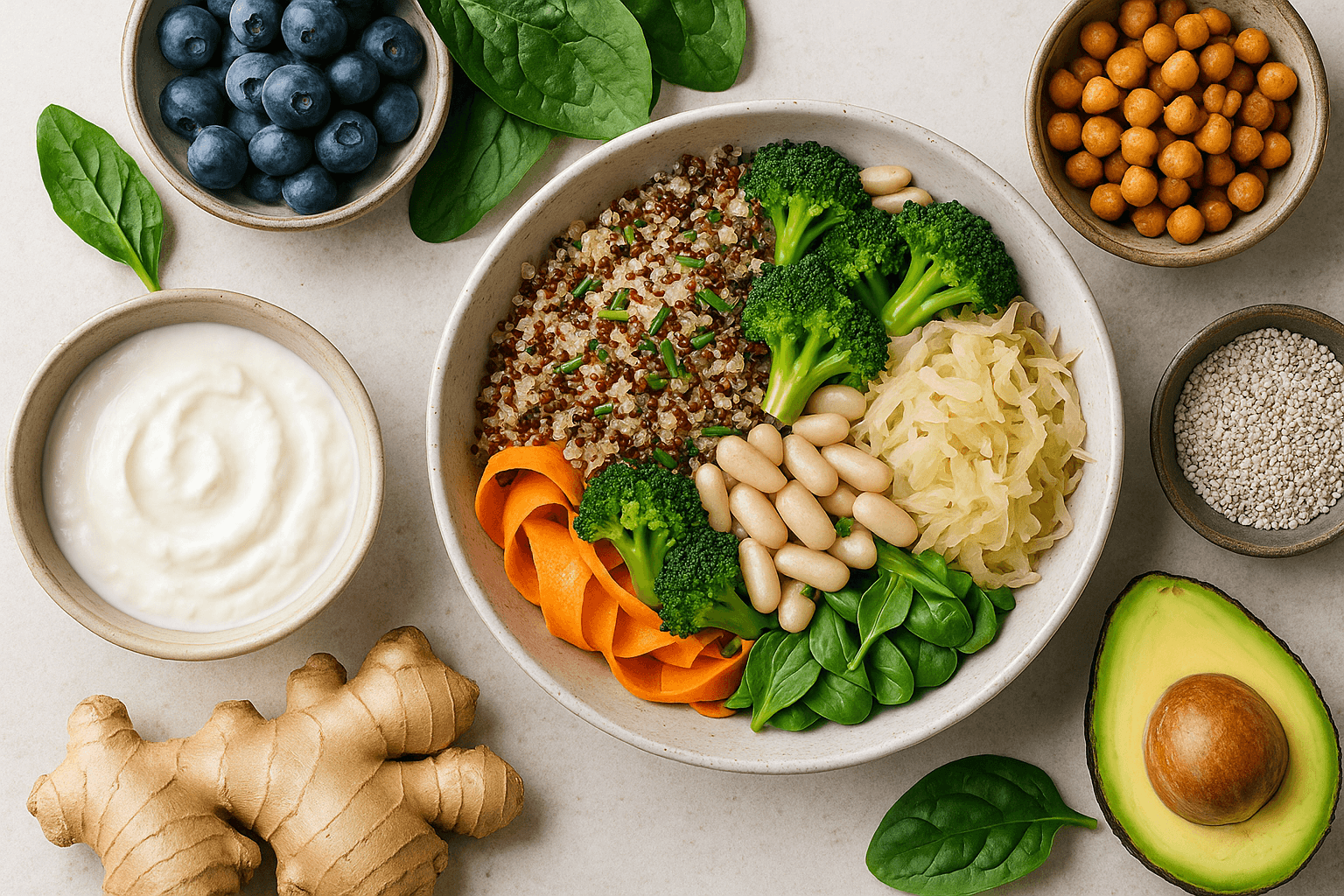
Real-life tips: Center your plate with the veggies, don’t treat them as a side to your meal Try new plant protein sources: beans, lentils, tofu, tempeh, seitan, edamame, nuts, seeds If you’re going vegan, you’ll need to take B12 supplements and may want omega-3 from algae oil
Gluten-Free Diet: Trend or Treatment?
Gluten is a protein present in wheat, rye and barley. If you have celiac disease or true gluten intolerance, a gluten-free diet is a must
Who needs it? Celiac disease: The intestines are damaged by even the smallest crumb of gluten Non-celiac gluten sensitivity: Rare, symptoms without damage to the intestines
What about everyone else? There’s no proof that avoiding gluten makes healthy people lose weight or “detox” Processed gluten-free foods are often loaded with sugar and fat and lacking in fiber and nutrients Eat the naturally gluten-free foods that are best for you: brown rice, quinoa, potatoes, corn, buckwheat, millet, vegetables, fruits, fish, eggs
Paleo Diet: What to Eat?
At the core, its premise is to eat like our ancestors, using lots of protein, while getting rid of grains, legumes and dairy to keep as close to those Homo erectus-like, caveman days as possible
Why do people try it? Weight loss, less processed food, some say better digestion, blood sugar
Drawbacks: Does not include healthy foods such as whole grains, beans and some dairy Can be high in saturated fat Can get pricey and be tough to maintain
Practical tips: Concentrate on whole, fresh foods — meats, fish, eggs, fruits, vegetables, nuts, seeds Forget mass-market “Paleo” bars and snacks — it’s ordinary processed food in disguise
Intermittent Fasting: Is It Good for You?
Rather than grazing all day, intermittent fasting (IF) features long periods of not eating (fasting). Most popular: 16:8: Fast for 16 hours, eat for an 8-hour window 5:2: You eat normally 5 days a week, and eat 500-600 calories on two non-consecutive days Alternate day fasting: Eat one day, fast the next
Does it work? Aids in weight loss for some by limiting overall calorie intake May enhance insulin sensitivity and reduce inflammation Not a silver bullet — if you eat like crap during “eating” hours, it’s not going to help
Not for everyone: Not advisable for children, pregnant/breast-feeding mothers, those with a history of eating disorders, or specific serious health conditions
Tips: Opt for a method that suits your lifestyle Take the time out to eat healthy meals Don’t binge after a fast!
Low-FODMAP Diet: Help for the Sensitive Gut
FODMAPs (Fermentable Oligosaccharides, Disacchardies, Monosaccharides And Polyols) are a collection of short-chain carbohydrates that are difficult for some, in particular those with IBS (Irritable Bowel Syndrome) to digest. They exist in lots of good-for-you foods — apples, garlic, onions, beans, wheat, milk, just to name a few
How does the diet work? Begin by eliminating high-FODMAP foods for four to eight weeks Gradually reintroduce them to regain your triggers Best done with the guidance of a dietitian
Who is it for? Those with IBS or unexplained bloating, gas, stomach pain, or diarrhea Not for most people — no benefit unless you have gut symptoms
Pitfalls: Can be complicated and restrictive Drawback of long-term risk of missing healthful fiber and nutrients
Zone, Raw, Carnivore and Other Diets: What’s the Deal?
Zone Diet: Regulating macronutrients in a particular proportion. Great equalizer: No special advantage, but it does promote people eating balanced meals and limited processed food Raw Food Diet: Insists raw food is more “alive” and nourishing. No solid evidence. Potential for undernutrition and foodborne disease. Difficult to get enough protein or calories Carnivore Diet: Only animal products — meat, eggs, dairy. Very restrictive, no long-term safety evidence, risk of deficiencies, and not supported by health groups Detox Diets: No single food or drink “detoxes” your body. Your liver and kidneys handle the detoxing — give them water, fiber, barely any sugar
The Personalization of Science: Picking the Right Diet for Your Life
There is no one-size-fits-all diet. Allergies, genetic makeup, medical conditions, lifestyle, food preferences, culture and even work schedule are all contributing factors
How to make your choice: Ask yourself: Why do I even want to try this diet? What are my goals? Am I searching for health, weight loss, energy or something else? Assess your medical condition and have a conversation with a healthcare provider before embarking on anything radical Be alert to warning signs: Any diet that sounds too good to be true — offering super-fast weight loss, “detox,” or the need to purchase lots of expensive supplements — is also probably more about marketing than science Try not to get stuck in “all-or-nothing” thinking — be flexible and tune into your body Concentrate on adding good things — more vegetables, more fiber, more color — rather than obsessing over deprivation A sustainable diet is something you enjoy and can do long term, not a two-week punishment
Special Diets Frequently Asked Questions
Q. Can special diets cure chronic diseases? A: No diet is a magic cure. But many diets (the Mediterranean, DASH or well-planned plant-based diets are some examples) can help control or reduce the risk of chronic disease especially when combined with exercise, stress reduction and not smoking
Q: Should I eliminate all sugar? A: Fruit, dairy and even the occasional treat are not things to be feared. The major culprits are added sugars in processed foods, sodas and candies. Prioritize whole, natural foods, and think of dessert as an occasional treat, not a daily entitlement
Q: Are carbs bad? A: Carbohydrates are not evil! They’re your body’s favorite energy source. Whole grains, fruits, beans and veggies are loaded with vitamins, fiber and antioxidants. It’s the processed, refined carbs (white bread, sugary beverages) that you want to watch out for
Q: Are fats bad? A: Fats that are healthy for you (those from olive oil, nuts, avocado, and fish) are great for you! Trans fats and excessive saturated fats (those found in fried foods, processed snacks, fatty red meat) are the ones to watch
Q: Should I count calories? A: Calorie counting is not as sustainable as concentrating on food quality, portion size and hunger/fill signals for most people. If you enjoy tracking, have at it — but it’s not a necessity by any means for you or for these guys
Tips for Thriving on Special Diets, From Real-Lifers
Prepare: Go to the store with a list, prepare meals or ingredients, keep healthy packaged snacks on hand Cook at home: Restaurant and takeout food is usually higher in salt, sugar and fat Eat mindfully: Let yourself slow down and make the most of your meals, and stop when you are full Keep hydrated: You can never have too much water. Tea and sparkling water are good, too Allow for flexibility: It’s fine to celebrate holidays, travel and enjoy restaurant meals without guilt. Healthy eating is about habits, not perfection Get some help: Consider joining a group, going public with your goals or getting personalized advice from a registered dietitian
The Big Picture: Food Is More Than Fuel
For most cases, food is all about joy, connection and nourishment. It’s family dinners, picnic parties, holiday feasts and quick breakfasts on the go. The best diet is one that makes you feel good, supports your energy and health, reflects your values and lifestyle and truly lets you enjoy life.
Enough with the guilt, and ignore the fluff — focus on the stuff that works: real food, evidence-based advice, and an approach to eating that’s filled with the greatest possible hits in nutrition science, not the latest frankenfoods, fool’s errands, or corporate fairy tales.
Here’s the one thing I want you to remember from this dietitian’s heart: The best diet is the one that you can stick with, enjoy and do well.
So whether you are interested in Mediterranean meals, intrigued by plant-based eating, or have your health on the line requiring a specific diet—ENJOY the process, EXPERIMENT with joy and never stop learning what makes you feel most vibrant.
Ready for more? I’m looking forward to supporting your new venture on the road to vibrant, sustainable health!