PRACTICAL INSIGHTS INTO MANAGING DIABETES WITH PERSONALIZED NUTRITION AND LIFESTYLE APPROACHES
Published on July 18, 2025

Diabetes therapy is being transformed from an empirical, non-customized approach into a sophisticated personalized model based on the individual's metabolic, genetic and lifestyle features. This evolution takes into consideration the wide variation in individual responses to dietary patterns, drugs, and physical activity. Personalized nutrition and lifestyle solutions will play increasingly important roles in optimal blood sugar management, reducing the risk of complications and maintaining a high quality of life for those living with diabetes. In this all-encompassing article, we look behind the personalized medicine horizon for diabetes, from the science to nutrition and lifestyle, through practical tools for customization, to current and future areas of exciting, emerging and disruptive research in personalized diabetes medicine.
UNDERSTANDING INDIVIDUAL VARIABILITY IN DIABETES
Since individuals with diabetes vary widely in how their bodies react to diet, medications, and exercise, several factors such as genetic background, gut microbiome, degree of insulin resistance, pancreatic beta-cell function, and lifestyle features account for such heterogeneity. Understanding these differences is critical to developing interventions that are appropriate to the individual.
For instance, CGM studies have highlighted that two individuals challenged with the same meal can exhibit profoundly different postprandial glucose responses. This serves to show the inadequacy of one-size-fits-all diet recommendations and the relevance of personalized nutrition planning. In addition, genetic diversities may impact nutrient metabolism and some people might do better on a low-carbohydrate diet and others may be suited for a diet with moderate carbohydrate quality.
The role of the gut microbiota in glucose metabolism and inflammation has been revealed by studies on diversity of the microbial population. Targeting the microbiome, either through dietary or supplemental interventions, seems to be a promising way to personalize diabetes management. Glycemic control is further modulated by lifestyle aspects, such as quality of sleep, psychological stress, and physical activity, requiring individualized, holistic management strategies.
MAJOR NUTRIENTS IN PERSONALIZED MANAGEMENT OF DIABETES
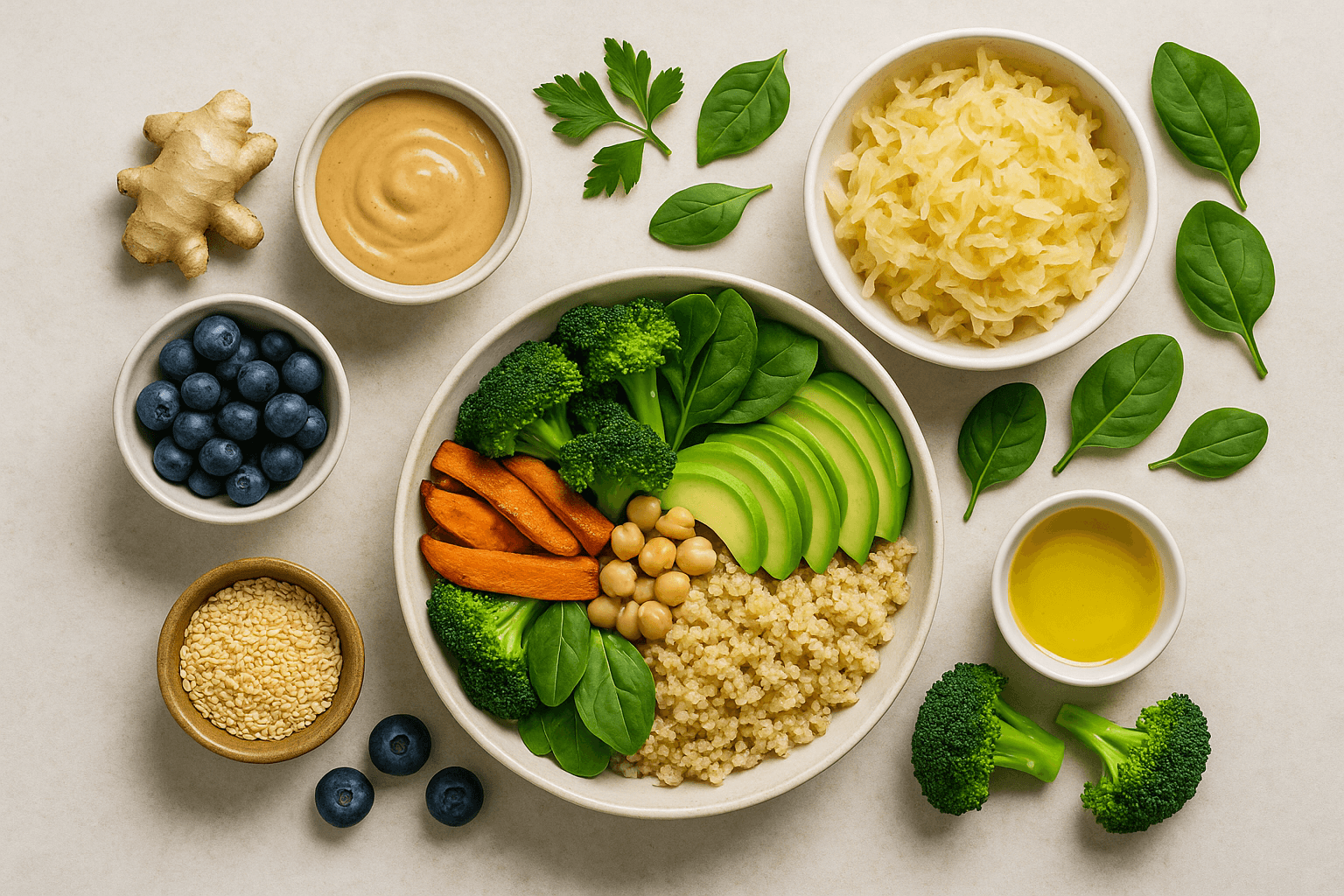
Quality of Carbohydrates and Timing: Not all carbohydrates are created equal when it comes to their effects on blood sugar. Low GI and GL foods like legumes, whole grains, nuts, seeds and nonstarchy vegetables result in slow glucose absorption and reduced insulin spikes. Customization could include carbohydrate amount and meal timing related to the cycle of insulin sensitivity and physical activity.
Protein: Sufficient protein helps maintain muscle and a feeling of fullness without spiking blood sugar. Protein also has favorable effects on the release of insulin in many instances.
Unsaturated Fats: Focusing on monounsaturated and omega-3 polyunsaturated fats is good for the circulatory system and helps control inflammation.
Foods High in Fiber: Fiber promotes glycemic control and gut microbiota health, which in turn modulates metabolism.
Micronutrients: Magnesium, chromium, vitamin D and B vitamins deficiencies have been associated with abnormal glucose metabolism; levels and supplementation should be considered.
LIFESTYLE FACTORS ENHANCING DIABETES MANAGEMENT
Exercise: Specifically designed aerobic, resistance exercises with flexibility training are effective in enhancing insulin sensitivity and cardiovascular fitness.
Quality of Sleep: Disordered sleep interferes with the metabolism of glucose; treatment for sleep problems can improve control of diabetes.
Reduce stress: Psychological stress increases cortisol, which can lead to insulin resistance; relaxation techniques and counseling work.
Weight reduction: All you need to lose is an insignificant amount of weight to increase insulin sensitivity and minimize drug use.
PRACTICAL TOOLS FOR PERSONALIZATION
Real-time data provided with continuous glucose monitors (CGMs) allows for customization of meal timing and composition.
Apps for dietary tracking, facilitating monitoring of food consumption, physical activity, and symptoms.
Ongoing professional help and changes are provided after direct communication with dietitians, diabetes educators.
EMERGING RESEARCH AND FUTURE DIRECTIONS
Metabolomics and artificial intelligence are ushering in the era of precision nutrition for diabetes on a bedrock of detailed metabolic signatures and tailor-made interventions. Bespoke probiotics addressing gut microbiota dysbiosis could represent new adjunct therapeutics.
SOCIAL AND ENVIRONMENTAL CONSIDERATIONS
Diabetes outcomes are hugely affected by social determinants, the man-made world - environment being the criminal factor such as food access, education, socio-economic status, and cultural practices. Application of these factors to community programs, policy, and patient-centered care will help minimize disparities and increase the effectiveness of personalized care.
ROLE OF BEHAVIOURAL AND PSYCHOLOGICAL INTERVENTIONS
Good diabetes control isn't just about diet and medication — it also involves a healthy attitude. Diabetes distress, anxiety, and depression often coexist and can disrupt self-care activities related to diabetes and increase the likelihood that glycemic management will be suboptimal. Educating, motivating, and emotionally supporting patients promotes resilience and adherence to individualized care plans.
COMBINING TECHNOLOGY AND HUMAN INTERACTION FOR BEST RESULTS
These technologies – including continuous glucose monitoring, insulin pumps and AI-based personalized nutrition – are all very promising, but are at their best alongside empathetic support from healthcare professionals. From here, human connection, personalized coaching, extensive feedback in the service of human lives support data-driven approaches that offer a complete framework for dealing with the biological and psychosocial challenges of managing diabetes.
SIFTING THROUGH THE DIRT ON DIETS TO FIND GOOD NUTRITION IN DIABETES CARE
There are many misconceptions about diabetes nutrition which end up complicating patients and impeding management. Typical myths are that all carbohydrates must be avoided and that sugar is all that counts for blood glucose regulation. Individualized nutrition focuses on balanced and mixed meals, acknowledging that the type, amount and timing of carbohydrates, as well as overall diet quality and lifestyle, impact glycemic response. Education to combat myths is essential for empowering patients to make patient-centered decisions.
THE SIGNIFICANCE OF CULTURAL COMPETENCE IN INDIVIDUALIZING DIABETES CARE
The cultural beliefs, customs, and food customs have substantial impact on diabetes self-care. Culturally sensitive care would include making dietary recommendations and education plans by considering these beliefs, to ensure that patient compliance with the recommendation is improved. For instance, including culturally appropriate whole foods that are consistent with anti-inflammatory and nutrient-rich guidelines may enhance the acceptance and feasibility of dietary interventions. Providers also need to recognize that socio-economic barriers can challenge access to healthy foods and help patients navigate these issues through access to community resources and advocacy.
OUTLOOK TOWARDS THE FUTURE: GENOMICS AND PERSONALIZED MEDICINE FUSION
What ultimately is the case is that, in the era of genomics, personalized care of diabetes will be viewed in the future as a genetic profile that will serve to predict and refine the risk for the disease, personalize the type of diet, drugs, and the levels of response more accurately. Combining genetic information with environmental and lifestyle data may facilitate a new era of precision medicine, allowing for a more tailored approach to optimizing individual's outcomes and minimising 'trial-and-error'.
FINAL THOUGHTS
Individualized nutrition and lifestyle modifications have entered diabetes care replacing the classical general prescription. These methods combine an array of technologies, metabolic knowledge, and patient choice in ways that can enable superior blood glucose control with fewer complications and improved quality of life. The future of diabetes care is in acknowledging and embracing metabolic individuality to inspire better and healthier futures.