The 3 Meal Rhythms That Matte
Published on May 28, 2025

Blood Sugar Balance
Rhythm Over Rules: The Smarter Way to Structure Your Meals for Energy, Blood Sugar and Sanity
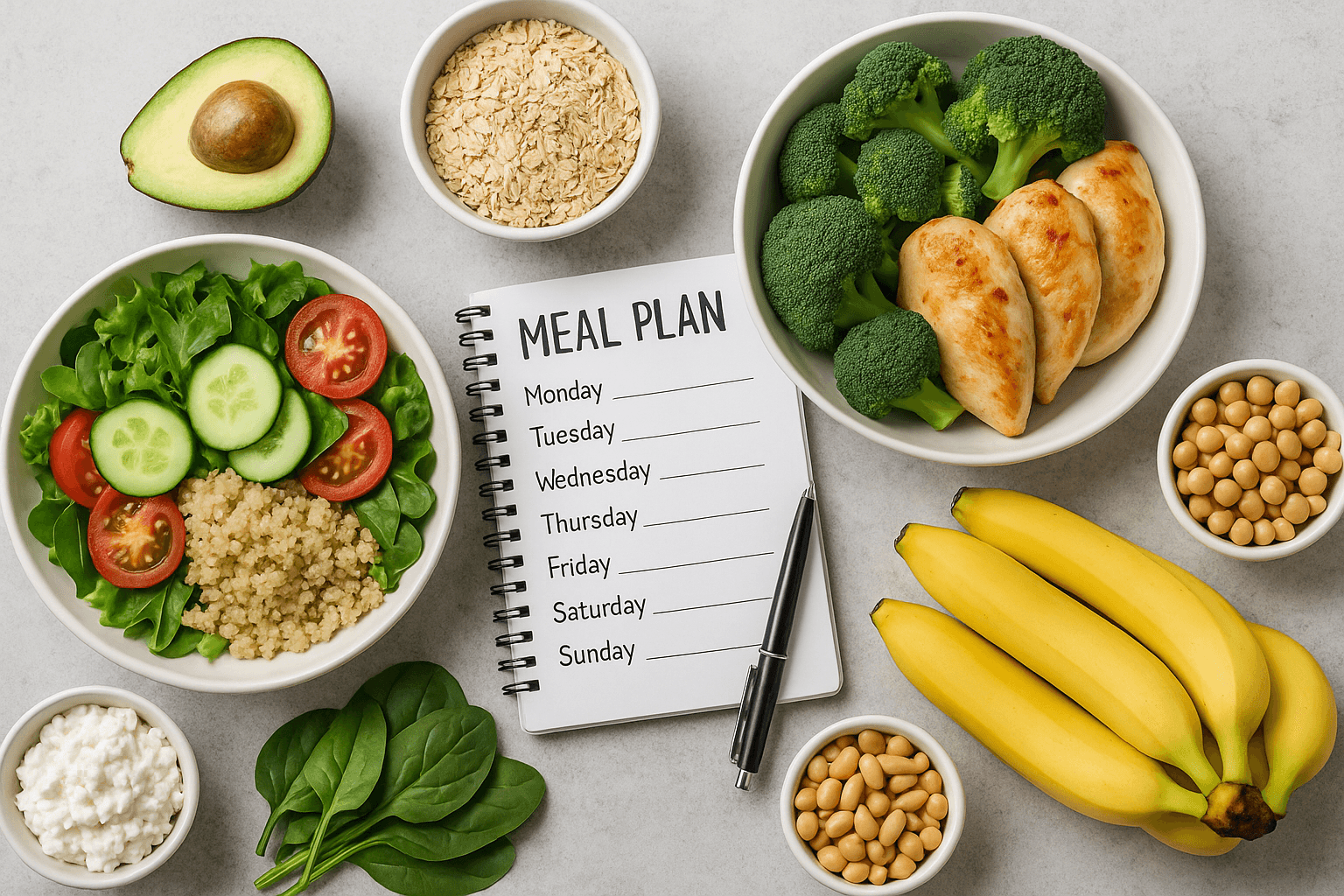
Meal planning isn’t about perfection—it’s about rhythm. That rhythm keeps your energy stable, your cravings calm, and your digestion steady.
Why Most Meal Plans Fail (and What Actually Works)
Fail when they:
Too many new meals for every day
Complicated recipes with rare ingredients
No attention to hunger, timing, or energy
Rely on discipline instead of systems
Work when they:
Repeat familiar formats
Use overlapping ingredients
Adapt to your actual life, not fantasy
Allow for recovery and flexibility
Daily rhythm:
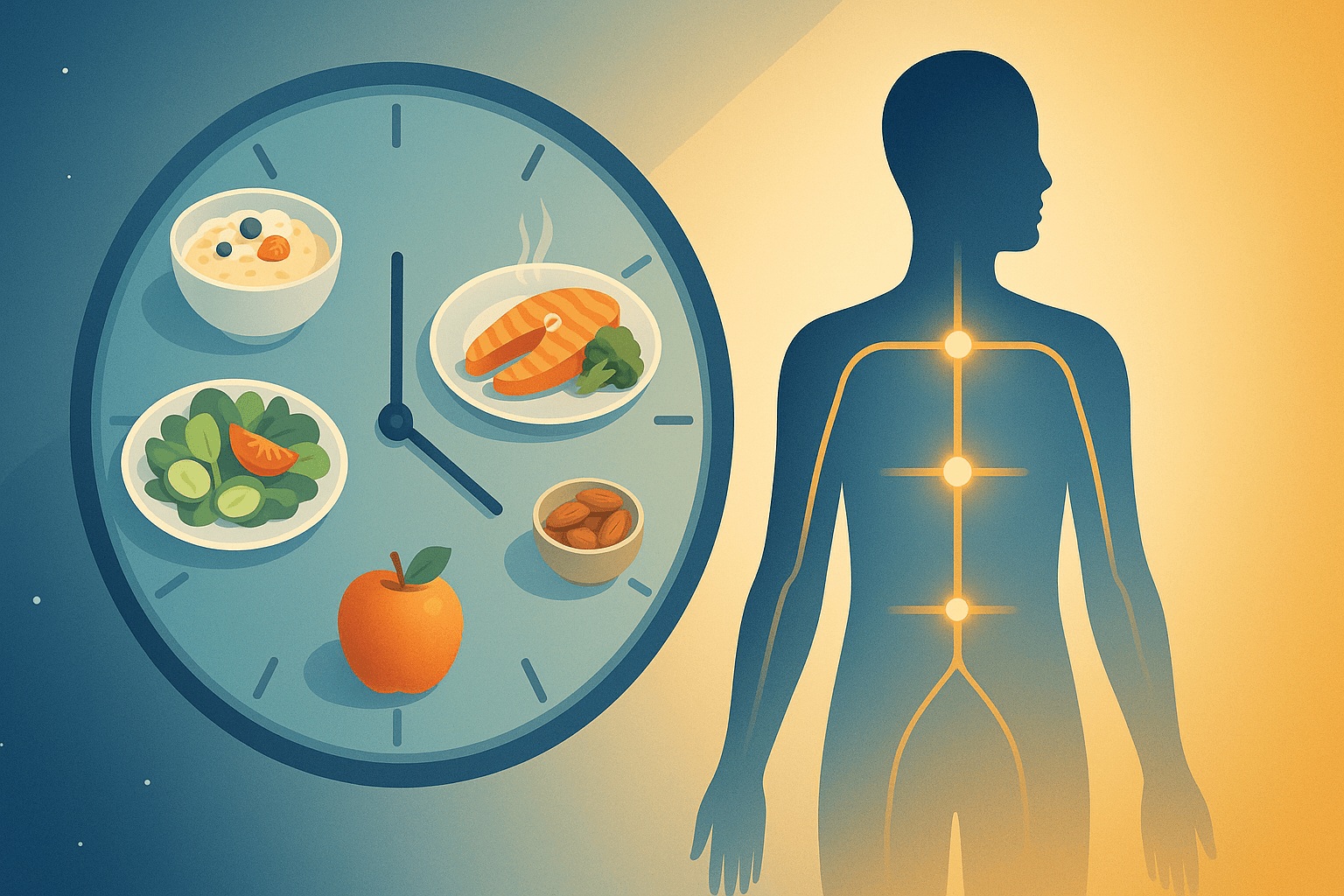
Meals at 8–9am, 1–2pm, 5:30–6:30pm
Eat every 4–5 hours
Start with protein + fat, then add carbs
Weekly rhythm:
Theme nights reduce friction: stir-fry Mondays, sheet-pan Tuesdays
Batch-cook 1–2 proteins, 2–3 veggies, 1–2 sauces
Reserve 1–2 nights for leftovers or surprises
Biological rhythm:
Eat more carbs around workouts or menstruation
Eat lighter when stressed or underslept
Choose grounding foods during seasonal transitions
7-Day Flex Meal Blueprint
Day 1–2: Light & Stabilizing
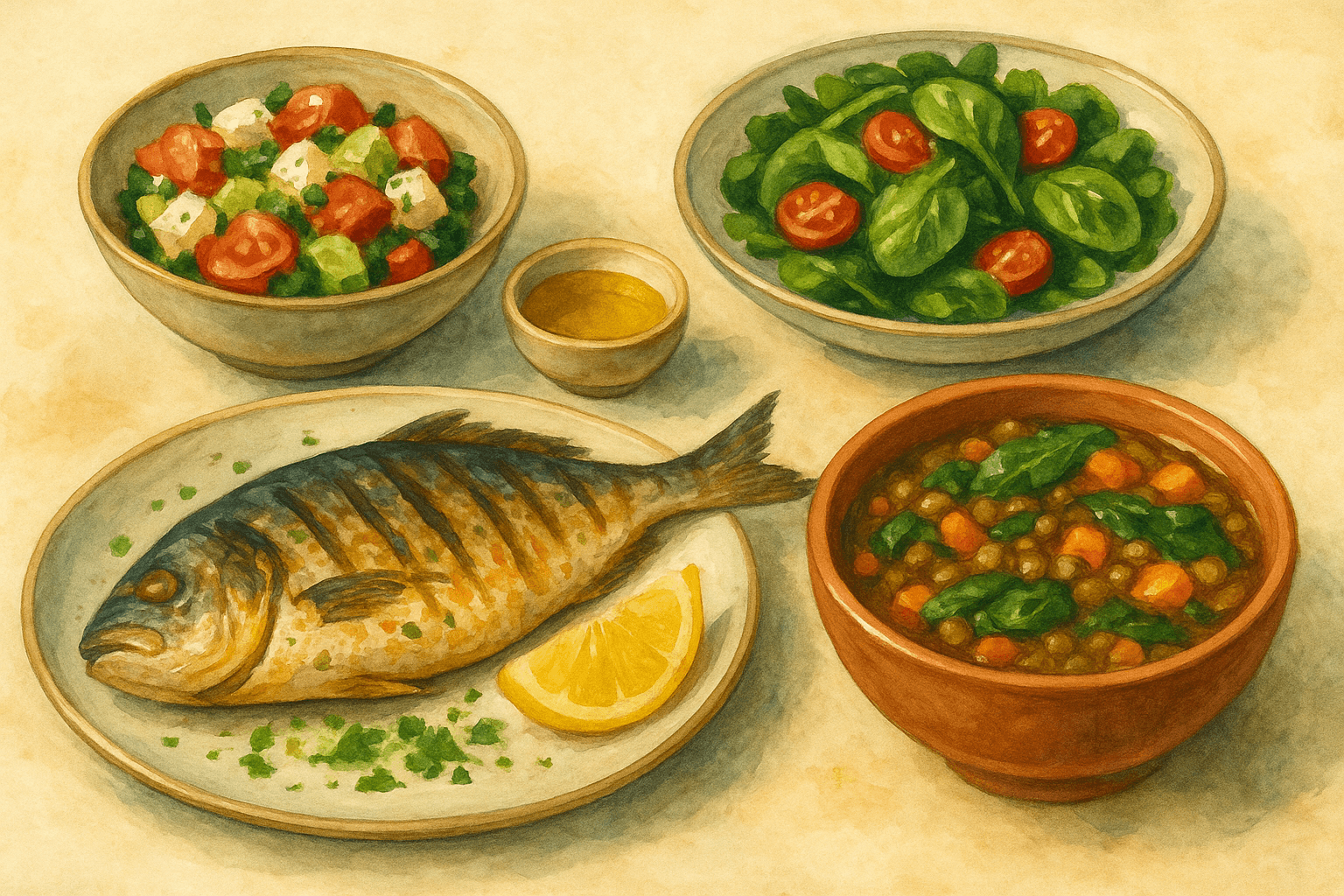
Greens, broth, sautéed eggs, soup + salad, baked fish + veg
Day 3–5: Rebuilding Phase
Reintroduce slow carbs: sweet potatoes, lentils, rice
Add fermented foods, cooked greens, warm spices
Day 6–7: Grounding & Satisfying
Chicken thighs, lamb, root veg (beets, carrots, parsnips)
Tray-bakes, stews, hashes
Meal Structure: Build a Plate Pyramid
Level 1: Core formats
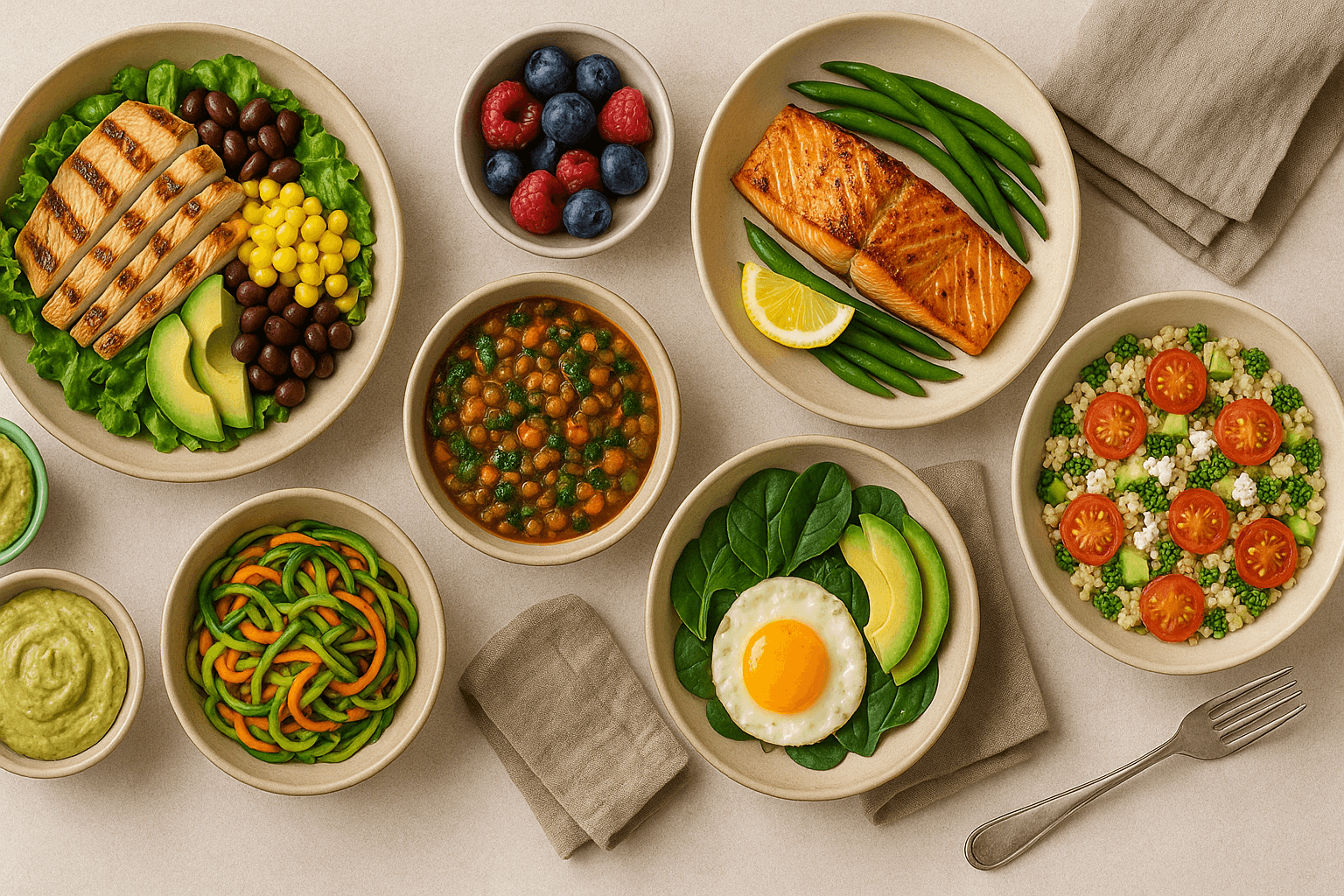
Bowl (base + protein + veg + sauce)
Soup + salad combo
Skillet (protein + veg + spice)
Smoothie + eggs
Roast protein + veg + kraut
Level 2: Ingredient rotation
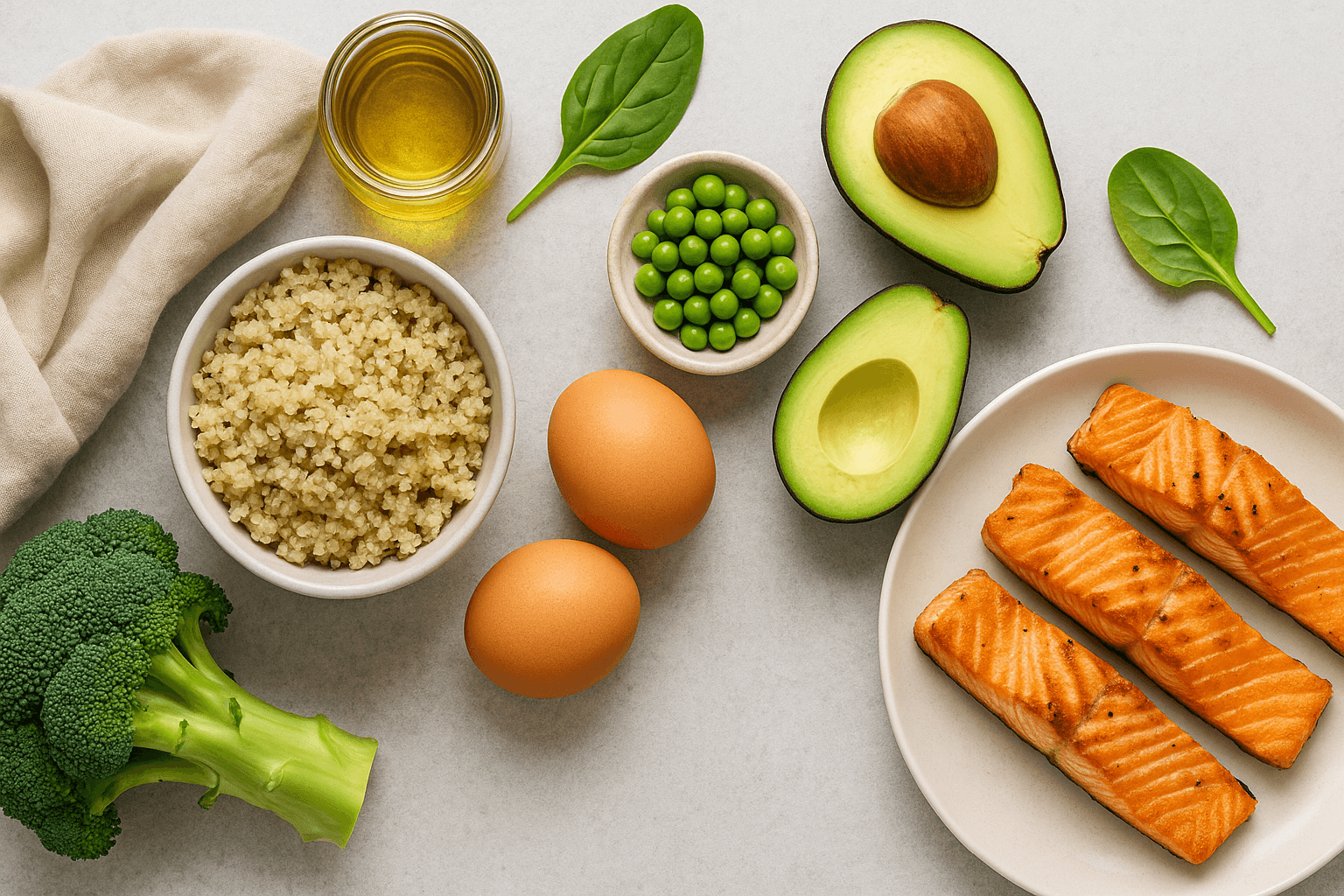
Swap protein: chicken → lentils → salmon
Rotate veg: broccoli → spinach → zucchini
Adjust carbs based on energy needs
Level 3: Add flavor, not stress
2–3 sauces: tahini-lemon, chimichurri, ginger-miso
Fresh herbs, seeds, citrus finishers
Example Rhythm Day
Breakfast: chia pudding + boiled eggs + kale sauté
Lunch: salmon + lentils + greens + tahini
Dinner: turkey meatballs + roasted carrots + kraut + olive oil drizzle
Tips to Break a Food Rut
Change sauces before you change meals
Try new cooking textures: roast, steam, mash
Use a new herb, vinegar, or citrus
Dine in a new setting or with different music
Meal Planning Tools That Flow With You
Kitchen systems:
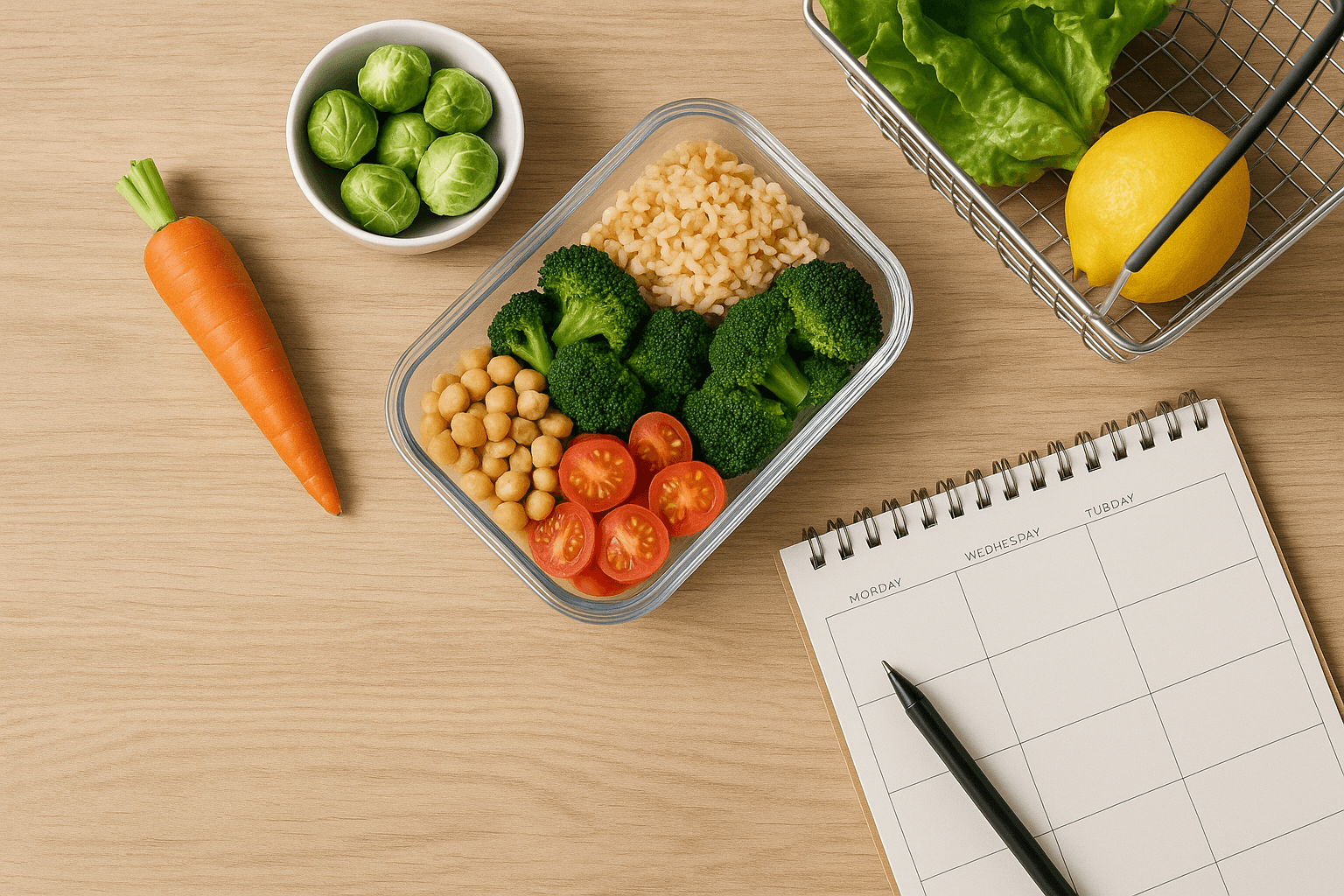
Dry erase board for your 3 go-to meals
Repeatable grocery template
Sunday batch-cook: 1 protein, 2 veg, 1 grain
Flavor anchors:
Rotate 2–3 sauces weekly
Prepped kraut or pickled onion
Keep herbs, seeds, garlic oil on hand
Mental resets:
Your “emergency meals” (e.g. broth + eggs + soft veg)
Don’t aim for perfection—aim for rhythm
Hormone-Synced Meal Rhythm (Optional Layer)
Women:
Follicular: lighter foods, raw salads
Ovulation: stabilize blood sugar
Luteal: higher calories, grounding carbs
Menstruation: stews, cooked veg, iron-rich foods
Men/Training Phases:
Carbs post-workout: sweet potatoes, berries
Extra protein on recovery days
Rebuild with broth, collagen, B vitamins
Adjusting Rhythm Across Life Stages
During stress:
2 dinner options on repeat
Fast proteins: rotisserie chicken, smoked salmon
Double sauces for leftovers
During healing:
Slow-cooked meals, soups, broths
Add collagen, avoid raw/spicy foods
High output phases:
Healthy snacks: chia, eggs, nuts
Dense foods: oats, avocado, yogurt
Final Thoughts: Let Meals Be the Metronome That Keeps You Steady
Meal planning is about rhythm—protecting your blood sugar, nervous system, and energy through simplicity.
Forget chasing control. Instead, trust the rhythm.
Eat like you believe in your future self.