Meal Planning Mastery: Your Ultimate Guide to Healthy, Flexible, and Joyful Eating—One Day, One Week, and One Month at a Time
Published on July 22, 2025
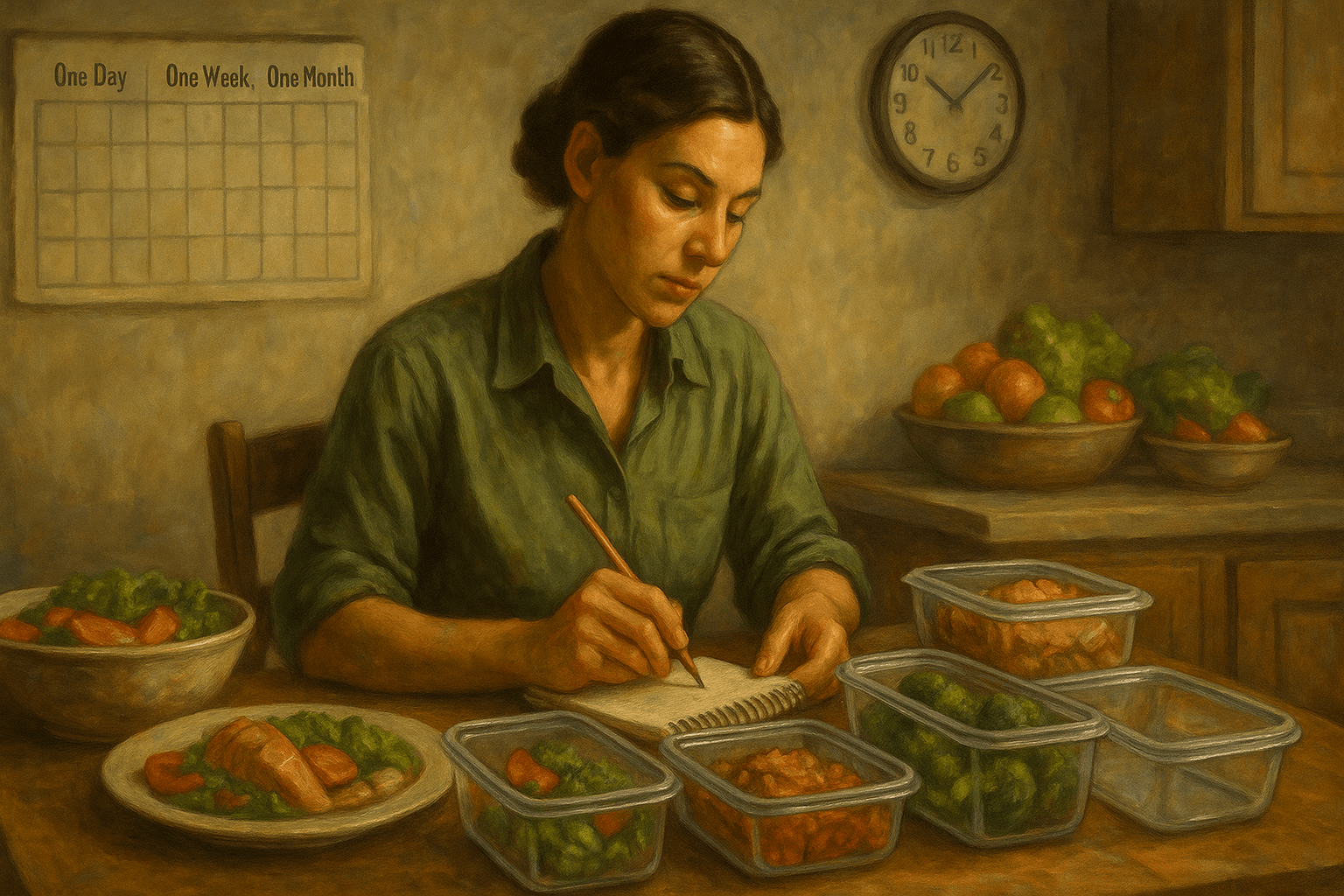
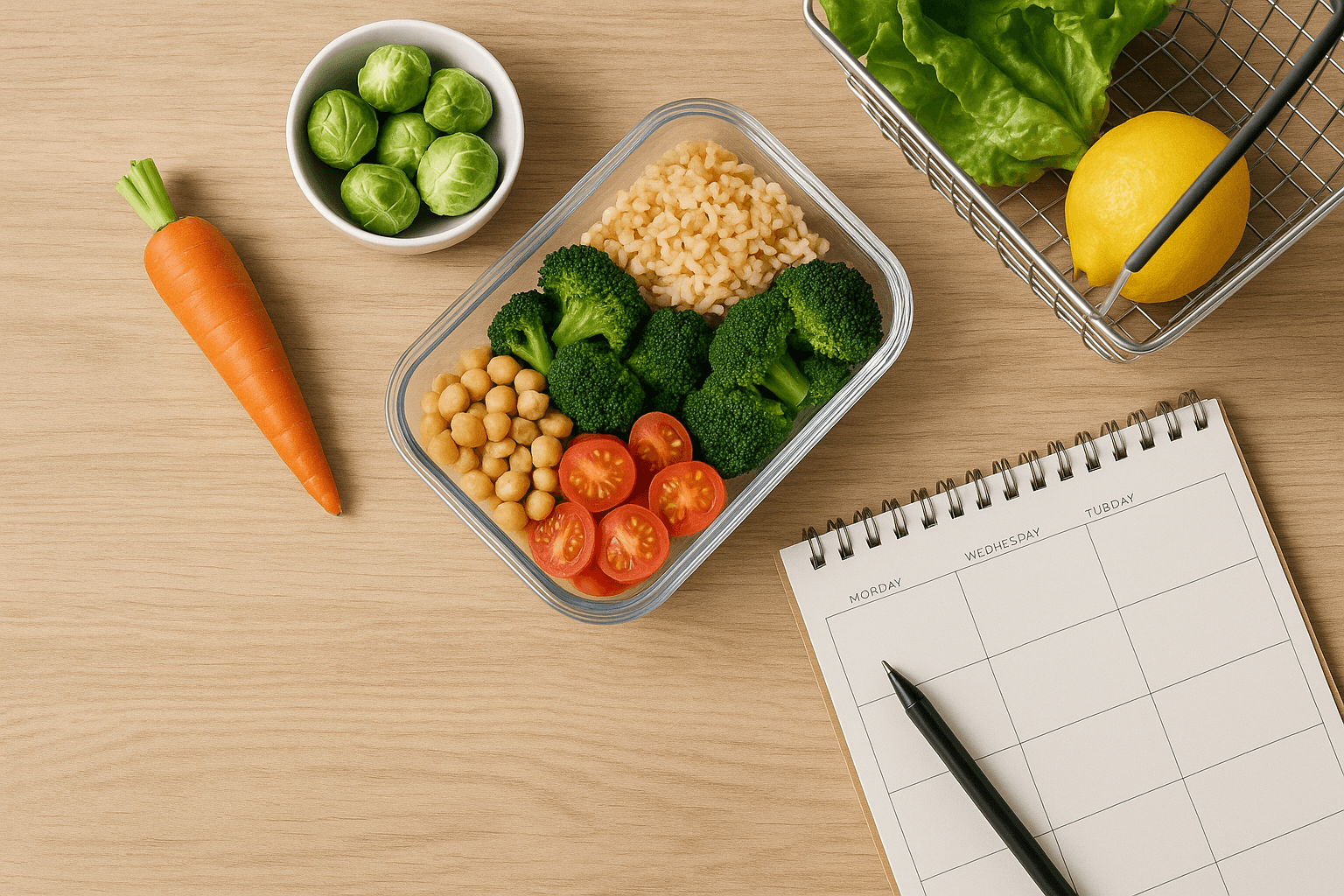
Planning meals may seem like something only the “ultra-organized” people, nutrition nerds or fitness influencers do. But, really, it’s one of the most practical time-savers, and even liberating things you can do, whatever your lifestyle. Whether you’re a time-crunched parent trying to get your kids to practice on time, a career girl who’d rather spend her evening with Netflix than in the kitchen, or anyone else looking to save time, money, and stress, meal prep is for you. It turns your daily chaos into a simple and easy plan, turns last minute stress into certainty, and, most importantly, adds more enjoyment and variety to your life.
But what is this “meal planning,” and how do you turn it into something that works in real life — not just for the people with the color-coded fridge photos on social media? The reality is, meal planning is not about being perfect, or inflexible. It’s about giving yourself a simple, sustainable structure to follow ― a road map that still allows for plenty of room for flexibility, creativity and pleasure. Let’s explore the why, how, and strategies that work when meal planning is at the heart of healthy, happy living.
Why Bother with Meal Planning? The Real-Life Benefits
Meal planning is not just a popular movement or a “nutritionist’s rule.” This is a practical resource that can help you shift your relationship with food and make eating well possible, affordable and enjoyable.
It Saves Time and Stress
Picture returning from a long day, being able to anticipate what you will eat. No more “What’s for dinner?” panic, no more staring at the refrigerator hoping for inspiration to hit. When you’re prepared, you have more brain space to think and more time and energy to spend on the things (and people) you love.
It Supports Healthy Choices
With a plan, it’s vastly easier to default to healthy meals instead of to whatever’s quickest. You just naturally include more vegetables, whole grains, lean proteins and fiber. You’ll find yourself experimenting with new recipes, falling in love with new pantry staples and, best of all, feeling good about what ends up on your plate.
🍽️ It Lessens Food Waste and Saves Money
When you make a list, you buy only what you need. You work through what’s already in your fridge and pantry, no longer accidentally buying duplicates or throwing out so much food. That means you’re not only helping your wallet, but the earth.
It Adds Variety and Fun to Your Table
It’s so easy to fall into a rut, cooking the same three or four meals on repeat. Meal planning makes you step out of your comfort zone and try or taste different cuisines, ingredients, and flavors. Each week is a chance to get a little wild, experiment, and to make mealtime the highlight it should and can be, rather than a chore.
It Empowers All Eaters
Whether you’re dealing with a health-related challenge, cooking for fussy eaters, or working to accommodate your ideal menu with that of a partner or children, meal planning offers confidence and control. You can still make meals delicious and balanced and manage to meet everyone’s needs.
How to Get Started With Meal Planning (Even If You’ve Never Done It Before)
The beauty of meal planning is that you don’t have to go from zero to “full spreadsheet” in one evening. In reality, the small beginning is the best way to form a habit that actually lasts.
Set Your Meal Planning Goals
Are you hoping to save money? Lose weight? Eat more vegetables? Feel less frazzled? Acknowledging your priorities lets you clear away the clutter and not get so overwhelmed.
Choose Your Time Frame
Because some folks like to plan day by day, and others week by week, and the really ambitious even month by month (sup, freezer meals!). There is no “right” way — just the right fit for your schedule.
Create a Favorite Meal Master List
Take a few minutes with your family or by yourself and jot down “Sublime Meals and Snacks I Adore” in the four categories: breakfast, lunch, dinner, and snacks. This list will serve as your planning treasure trove. Choose as many or as few of your favorites each week, or add in something else when the mood strikes.
Check Your Calendar
Be realistic about your week. Do you have a late meeting or kids’ activities one night? That’s perfect for leftovers or a no-prep meal. Special occasions or dinners out? Plan around them.
Inventory What You Have
Do a brief scan of what’s already in your fridge, freezer and pantry. Deciding how you’ll use up those long-forgotten beans or that spinach that’s about to go limp can help save you money and waste.
Write a Shopping List and Stick with It
Organize the list by section — produce, dairy, grains, proteins, pantry staples — to expedite your trip and help you stay on task. This saves money and keeps you out of the trap of impulsive purchasing.
Different Meal Planning Techniques: How to Find What Works for You
There is no one “right” way to meal plan — only what is right for your schedule, your goals and your taste. Here are some of the perennially favorite (and effective) strategies:
A. One-Day Meal Plans
Great for beginners. One-day plans are a great way to try it out without any commitment. They’re also good for days when it’s like, “Oh shoot, I have a thing and/or a trip tomorrow, I really don’t want to try whatever else right now.”
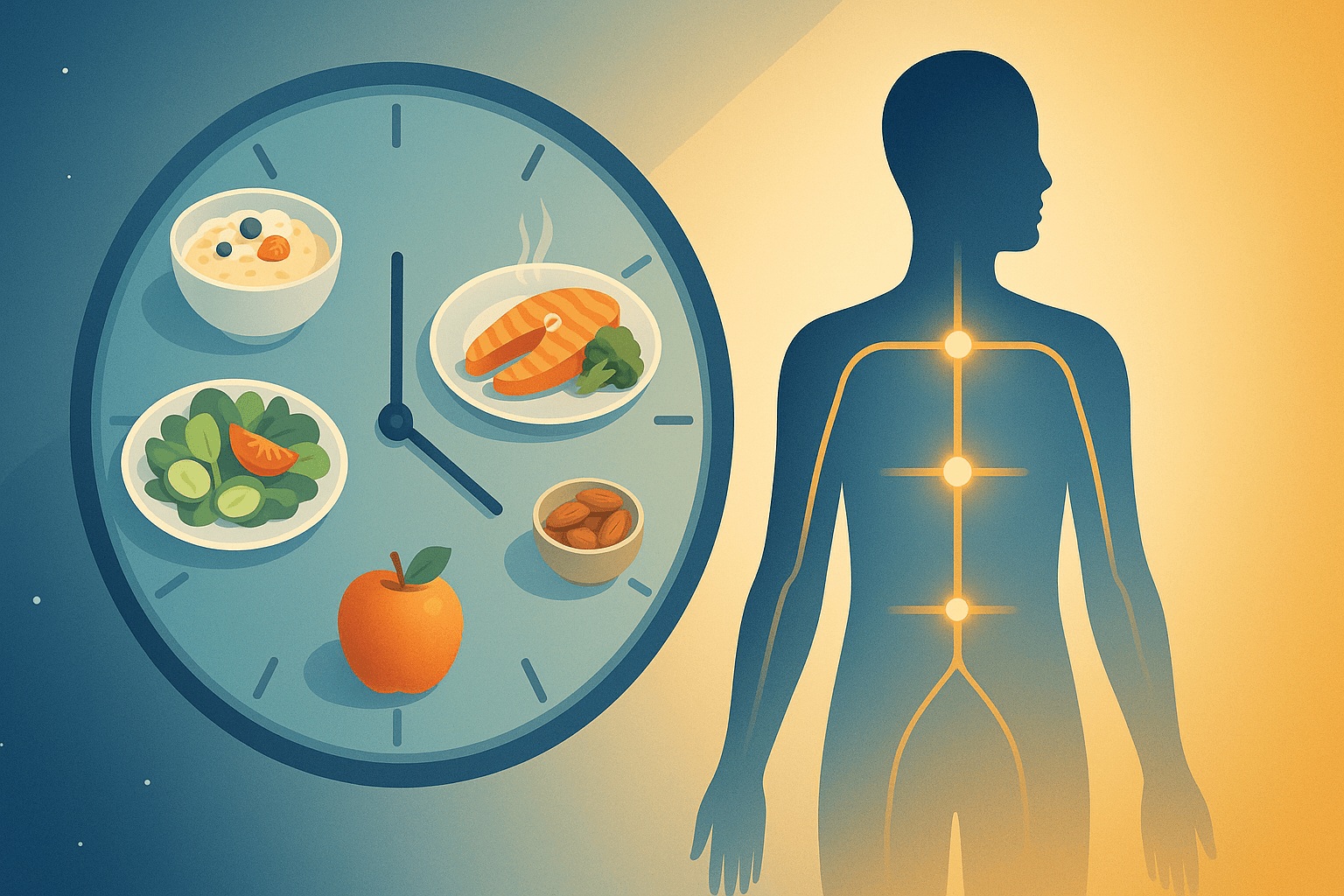
Sample Day:
Breakfast: Oats overnight with berries and chia seeds
Snack: Apple and almonds
Lunch: Quinoa salad with grilled chicken and vegetables
Snack: Carrot and cucumber sticks with hummus
Dinner: Baked salmon with roast sweet potato and steamed broccoli
Treat: One square of dark chocolate, or a fruit salad
You’ll feel more organized, less harried and most likely healthier — just from one day of purposeful eating.
B. Weekly Meal Plans
This is the “sweet spot” for a lot of folks. A week’s worth of planning sets the framework for a meal plan but is still very attainable, even for the busiest households.
How to Do It:
Choose “theme nights” to make selections easier: Meatless Monday, Taco Tuesday, Stir-Fry Friday, or Soup Sunday.
Prepare grains or proteins in a batch on the weekend, then transfer it to meals throughout the week.
Add in one “leftovers” night or one meal out, so you don’t feel confined.
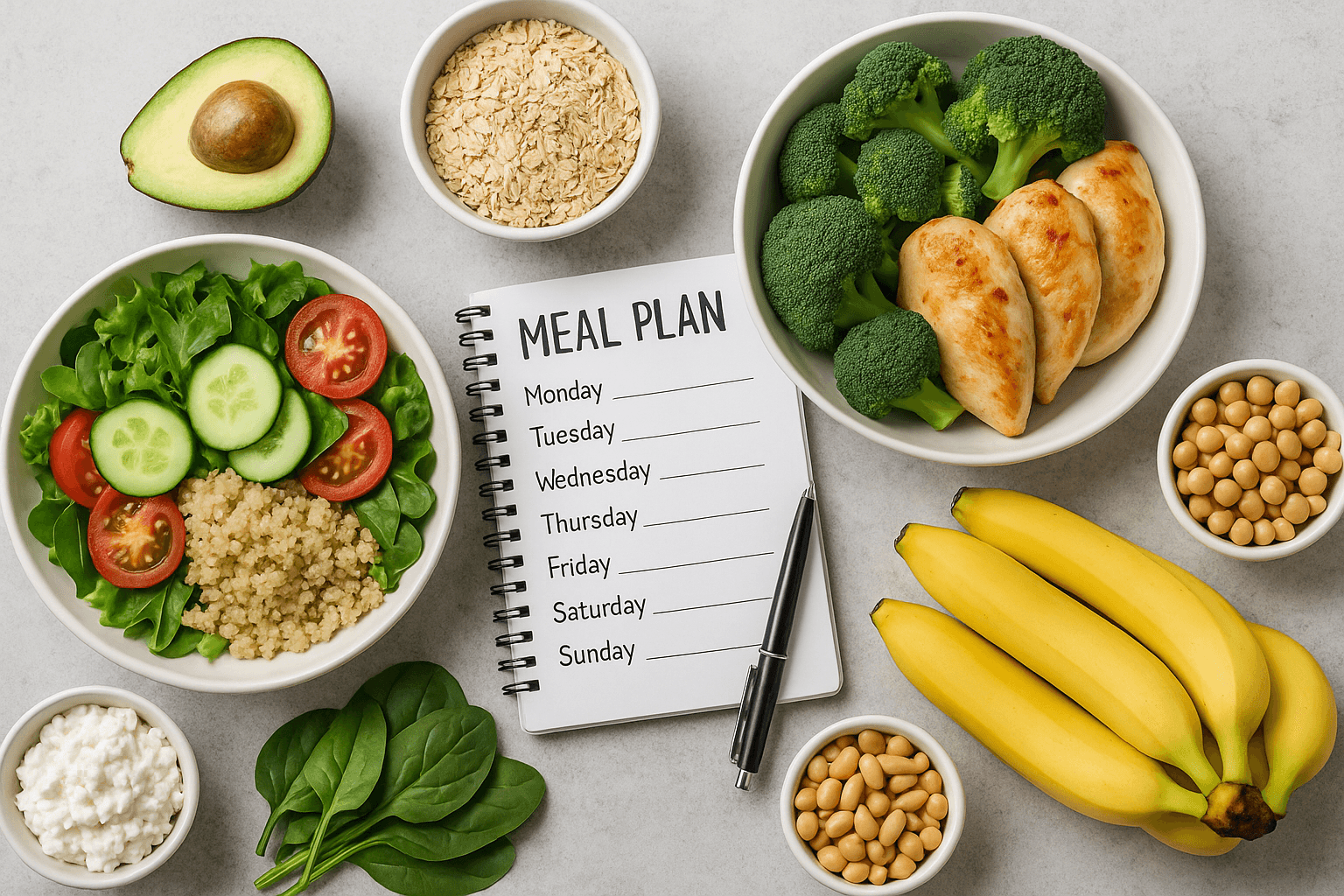
Sample Weekly Dinner Plan:
Monday | Veggie stir-fry with tofu and brown rice
Tuesday: Turkey chili with black beans and avocado
Wednesday: Baked cod with roasted potatoes and green beans
Thursday: Chickpea curry with basmati rice
Friday: Homemade pizza on whole-wheat crust with tons of vegetables
Saturday: Grilled chicken, sweet potato fries, side salad
Sunday: Hearty lentil soup served with a crusty whole grain roll
It’s also a way to help families and roommates coordinate their busy schedules and eliminate the “what’s for dinner” standoff.
C. Monthly and Bulk Planning for Meals
If you’re a longtime fan of batch-cooking or looking to maximize bulk savings, consider monthly planning or freezer prep. This trick will save you time, money and stress —particularly in a busy month.
Cook in double batches, say, soups or casseroles or stews, and freeze portions for instant dinner.
Put a rotation of favorite dishes in the mix, every two to three weeks, for variety and reassurance.
Plan “clean out the fridge” nights to work through leftovers, keep waste to a minimum and get resourceful with whatever you have on hand.
This style is particularly beneficial to busy families, those with a tighter budget, or those who would rather spend less time thinking about what to eat and more time savoring delicious dishes.
Customizing Diet Plans to Fit Various Lifestyles and Objectives
And healthy meal planning is not just for weight loss; it can be tailored to any desire, need or taste.
For Weight Loss
Plan realistic portions ahead. Serve on small plates, measure out ingredients if necessary, and pre-portion snacks. Eat plenty of vegetables, lean protein, and whole grains until you are satisfied, and plan for treats so you never feel deprived or lose control.
For Muscle Gain/Athletics
Concentrate on 3 to 4 hour intervals of eating. Before and after workouts, schedule snacks with protein and healthy carbs. Prepare grab-and-go choices, such as trail mix, protein smoothies, or yogurt with fruit, for fueling during the days on the run.
For Families and Kids
Involve kids in choosing meals, building their own bowls, wraps or tacos, and even the grocery shopping or prep. Prepare double portions of family favorites for freezer-friendly meals, and serve build-your-own dinners to picky eaters.
For Vegetarians/Vegans
Diversify plant proteins: beans, lentils, tofu, tempeh, nuts and seeds. Be sure to incorporate B12-fortified foods or supplements, and mindful of sources of iron, calcium and Omega-3s. Go global for infinite variety and inspiration.
For Busy Professionals
Prep breakfast and lunch ahead of time — like overnight oats, mason jar salads or grab-and-go wraps. Stock your desk with healthy snacks. Rely on one-pot or sheet pan meals for quick dinners.
How to Build a Healthy Meal Plan (Without the Headache)
The three essential elements of good meal prep are variety, balance, and flexibility. Here is one formula that never lets you down:
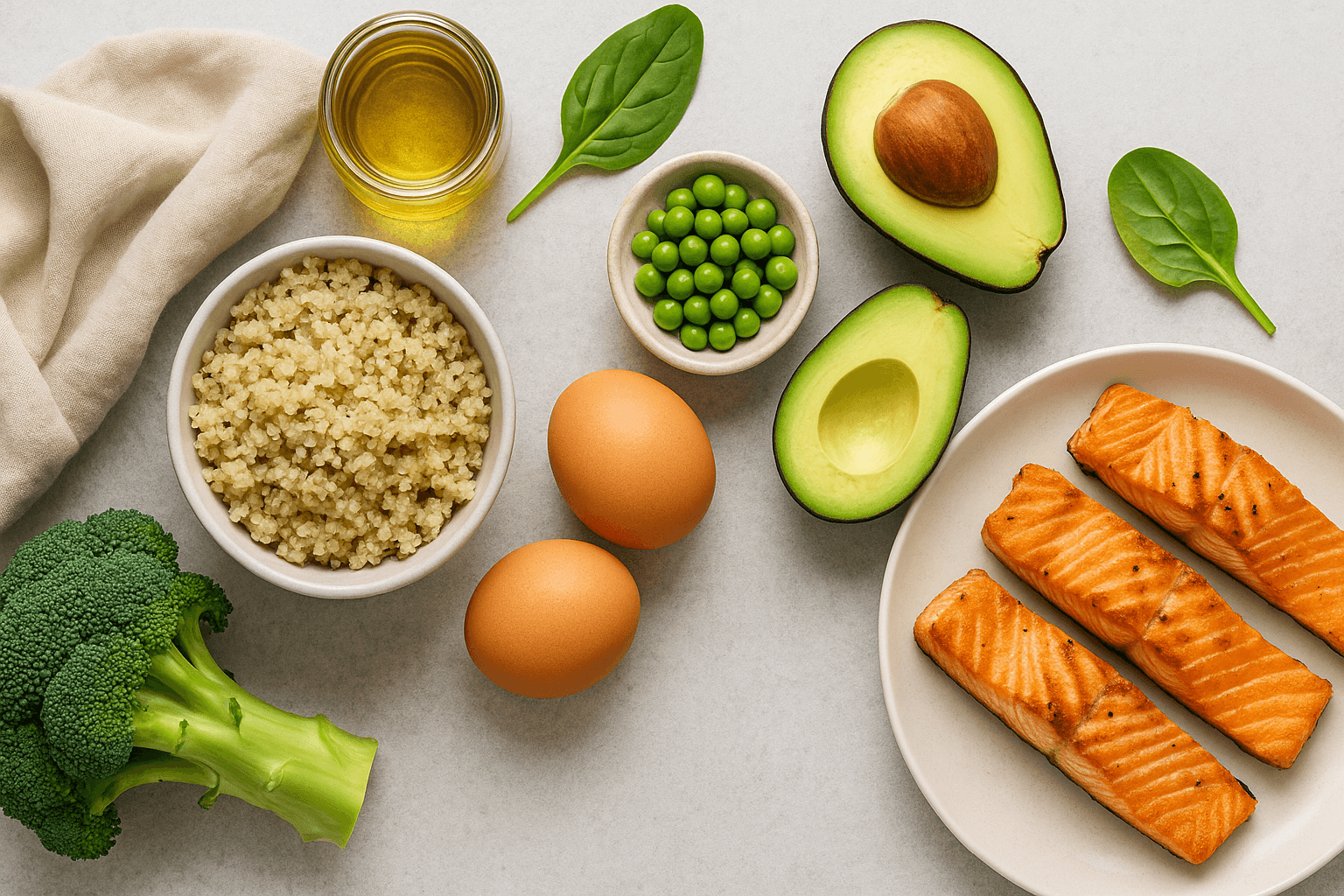
Choose a protein: Chicken, fish, tofu, beans, lentils, eggs, Greek yogurt
1 whole grain or starchy veggie: Brown rice, quinoa, whole-wheat pasta, sweet potato, corn
Pile on the non-starchy veggies: Broccoli, spinach, bell peppers, carrots, leafy greens — fresh or frozen, as much as you want!
Add healthy fat: olive oil, avocado, nuts, seeds, olives
Snack plan: Hummus with veggie sticks, fruit with nut butter, yogurt or whole-grain crackers with cheese
Cycle through new recipes and seasonal produce to keep it interesting and affordable.
One Week's Worth of Busy Adult Meals to Start You Off
Breakfasts:
Overnight oats with berries and walnuts.
Omelette with veggies and wholegrain toast
Granola and banana (preferably with a side of Greek yogurt)
Spinach and flaxseed buttery smoothie
Lunches:
Lentil & Quinoa Salad with Roasted Vegetables
Carrot sticks
Turkey and avocado wrap on a whole wheat tortilla, with carrot sticks on the side
Toasted sesame bowl with 5-ingredient natto and sesame dressing
Tuna with Leafy Greens and Chickpeas
Dinners:
Salmon baked with wild rice and green beans steamed.
Whole-wheat tortillas filled with chicken fajitas with peppers and onions
Risotto with mushrooms and spinach and a big salad of something green
Veggie chili with red beans and corn
Shrimp stir-fry with snap peas and jasmine rice
Meatballs made with turkey served with whole-wheat spaghetti and tomato sauce
Curried chickpeas w/ basmati rice & roasted cauliflower
Snacks:
Apple slices with almond butter
Trail Mix (seeds, nuts, dried fruit)
Cottage cheese with pineapple
Roasted edamame
Sliced bell peppers with hummus
Troubleshooting Common Meal Planning Problems
“I get bored easily.”
Have a “new recipe night,” or experiment with a new spice blend, ingredient or cooking style each week. Mix it up with global cuisines to spice things up and keep them interesting.
“I don’t have time.”
Prep proteins or grains on weekends, invest in some healthy convenience foods like pre-washed greens or rotisserie chicken, and have a handful of simple recipes at the ready.
“My family is picky.”
Try “build-your-own” meals where each person makes their own plate from the same base ingredients. Burrito bowls, salad bar, pasta buffet all good.
“I’m on a tight budget.”
Buy what’s on sale, seasonal produce, and use affordable staples such as beans, eggs, lentils, oats, and frozen veggies. Freeze extras to prevent waste.
“I have a health condition.”
Collaborate with a dietician to personalize your meal plan. Whether it is diabetes, hypertension, allergies or celiac disease, you can customize your plan to accommodate your specific needs.
Encouraging Meal Planning (and Making it Fun!)
There is nothing spartan about meal planning; it is empowering. Choose one “planning day” each week, maintain a running list of favorite dishes, and include wiggle room so you’re never too confined. Whether it’s your phone, a whiteboard, a planner or sticky notes, use whatever will help keep you honest.
Don’t forget to reward each small victory. Perhaps you made a new recipe, wasted less food or had a family meal. It’s progress, even if it’s slow.
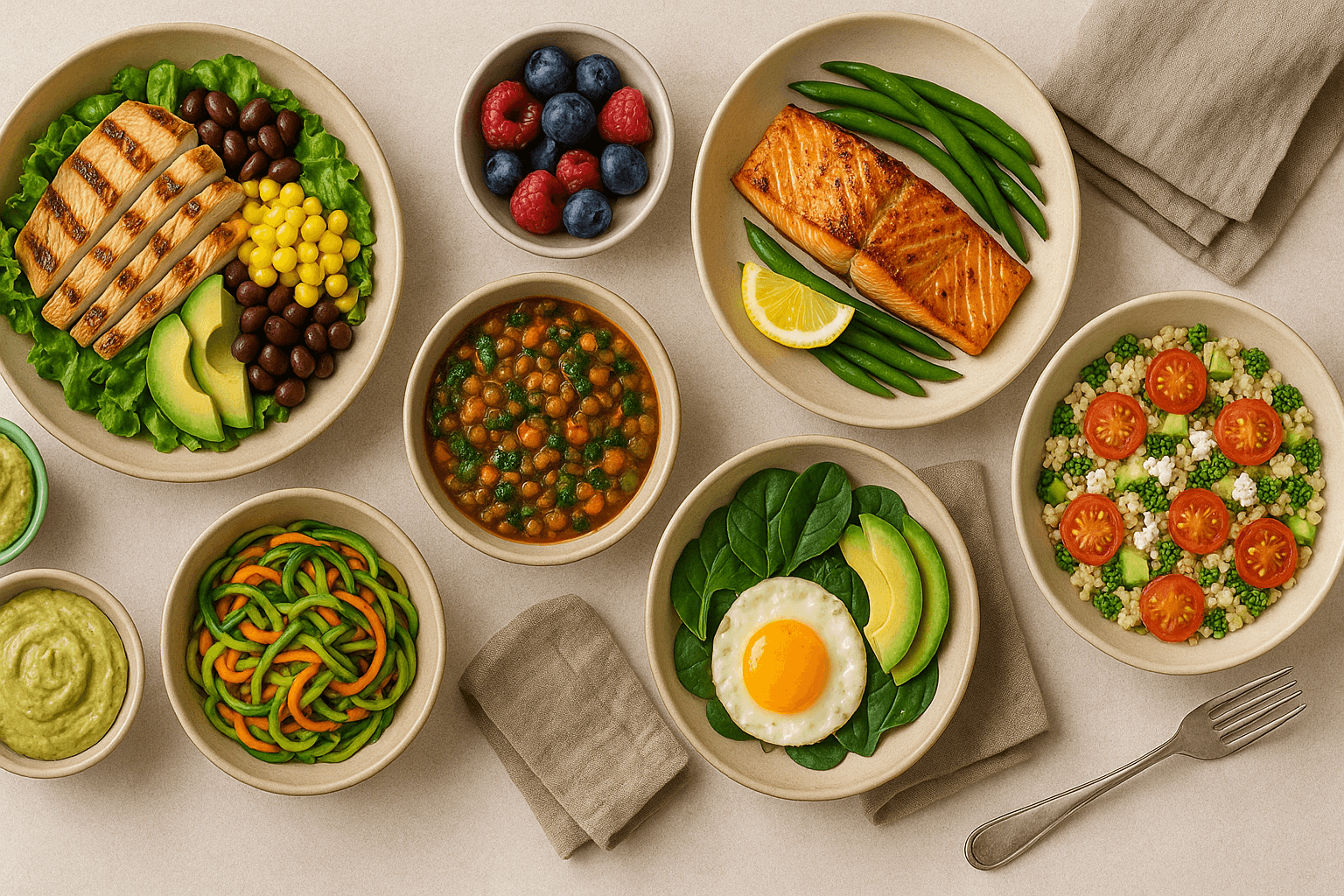
Scenes from the Week
How about “something different for a meal planning theme”?
Planning a meal is an act of kindness, toward yourself, in the future. And it cuts down on the daily stress, it saves money, and it helps you eat healthier — all without becoming obsessed or feeling deprived. It gives you extra time and headspace for everything that brings meaning to life.
Start small. Plan one day, then a week, then perhaps a month. Every step forward is a win. And believe me, once you get the hang of it, you’ll realize meal planning is not at all the drudgery it seems, but a trigger for a delicious, confident and incredibly nourishing life. Here’s to less stress, more flavor and the tremendous power of foresight!