CRAFTING HIGH-PROTEIN MEAL PLANS: BOOST MUSCLE, MANAGE WEIGHT, AND ENHANCE METABOLISM
Published on July 18, 2025
Protein meal plans have had a spotlight on them, thanks to their muscle growing, satiety satisfaction managing, weight workshop contributing, metabolic health enhancing power. Protein is a key macronutrient that offers amino acids — which are needed for tissue repair and muscle building, as well as enzyme and hormone production and immune function. This in-depth article will talk in detail about the scientific reasoning behind high-protein diets, how to approach meal planning, and give you a variety of sources to choose from so you can meet your various dietary goals and create balanced, sustainable, and effective meal plans to meet your specific needs.
WHY PROTEIN MATTERS
Protein is important for muscle maintenance and growth, but it also can raise your basal metabolic rate (BMR)— the number of calories your body burns at rest. More muscle means a higher maintenance cost for the body, so sufficient protein intake staves off the metabolic sluggishness that is so commonly a trait of dieting or growing older. This process of added calories burnt helps in long term weight management.
Protein is also the most satiating of the macronutrients (as in it makes you feel full for longer), Lyndi says. This satiety automatically leads to consuming fewer calories in a day and helps control unhealthy snacking and overeating. Additionally, protein helps decrease absorption of carbs into the bloodstream, which helps prevent triggering insulin levels and promotes constant energy throughout the day.
Proteins are also more important in immune function and also helping your body recover from activity or injury. Protein is especially important as we get older, and can help us retain muscle mass, strength, and functional independence - all key factors in helping us to live a longer, and healthier, life.
In addition to muscle repair, protein is essential to keep neurotransmitters that regulate mood and cognition up and running. The amino acid tryptophan, for instance, is a serotonin precursor, and serotonin is a neurotransmitter that helps to control mood, sleep and appetite. This reinforces the fact that not only does protein play a role in our physical health, but also in our mental well-being.
RECOMMENDED PROTEIN INTAKE
If you’re an adult, research tells us the majority of you should eat between 1.2 and 2.0 grams of protein per kilogram of body weight per day to maintain or increase muscle mass, repair damaged tissues, and ensure proper function of metabolic processes. Athletes, people engaged in strenuous training, the elderly, or those who are attempting to lose weight may need to consume protein at the higher end of this range.
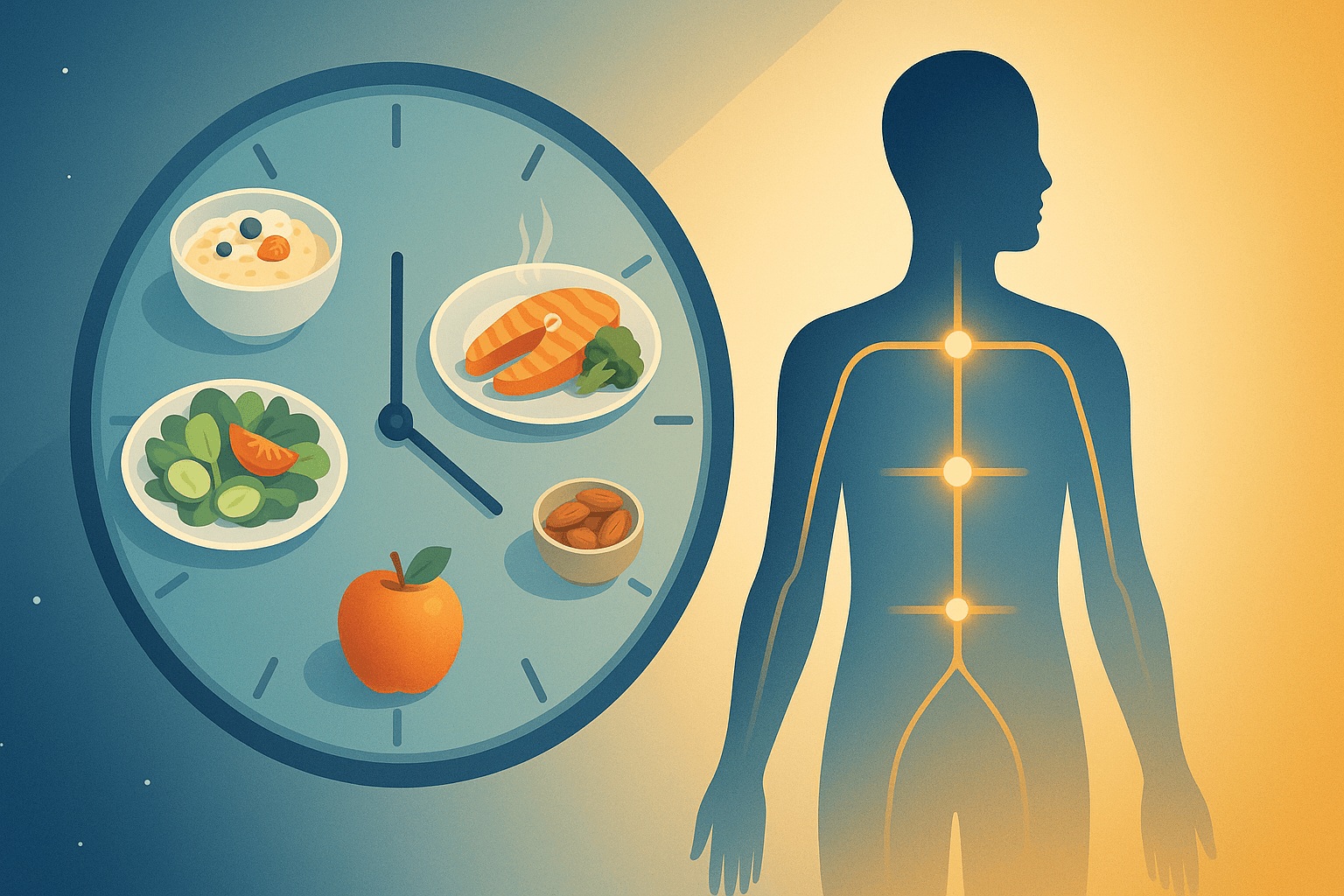
By spreading your protein intake evenly throughout the day, you maximize muscle protein synthesis, which means your body can effectively use amino acids to repair and build muscle. You should shoot for 20-40 grams of high quality protein at each meal, depending on how big you are, how much you’re working out, and how much fuel you need from protein.
It's also worth mentioning the importance of timing protein intake in relation to exercise for maximizing muscle recovery and growth. Protein ingested between 30 min and 2 h following exercise has been shown to elevate muscle protein synthesis rates.
SOURCES OF HIGH-QUALITY PROTEIN
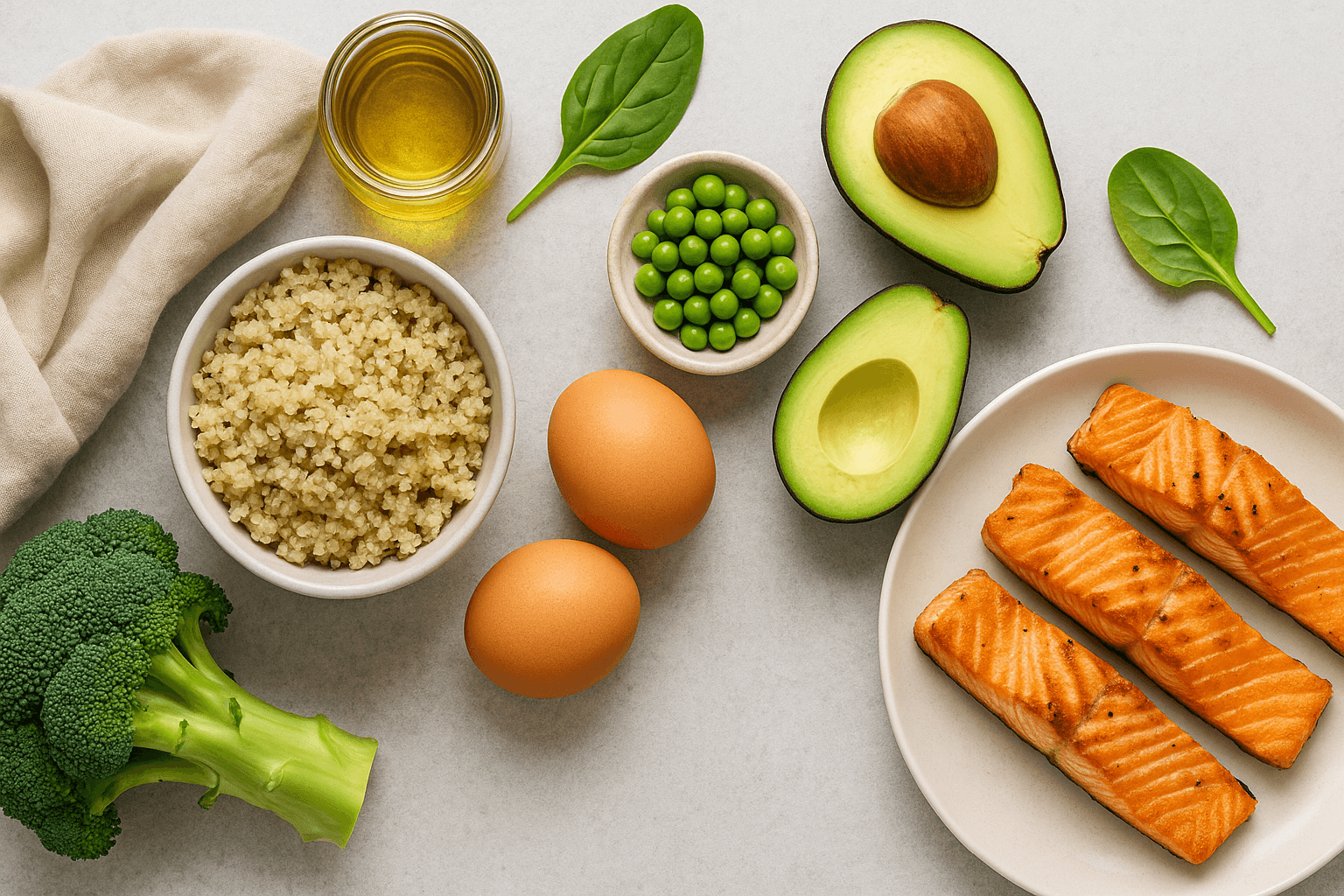
Animal Proteins: Chicken, turkey and lean beef; fish (especially fatty fish such as salmon and mackerel); eggs; and dairy foods (Greek yogurt and cottage cheese) are complete protein sources that offer all necessary amino acids and also are loaded with essential vitamins and minerals (including vitamin B12, iron and zinc), important for energy levels and immune functioning.
Legumes (lentils, chickpeas and black beans), soy products (tofu and tempeh), quinoa, nuts and seeds provide important protein and are also rich in fiber, antioxidants and phytochemicals. Some plant proteins are not complete by themselves, so eating a variety of plant sources over the course of the day will provide your body with all of the essential amino acids.
Selecting from as many sources of protein as possible, in moderation only boosts the nutritional value of your diet, but it helps with the diversity of your gut health, improves digestion and decreases risk for chronic diseases that tend to be linked with too much animal protein in the diet.
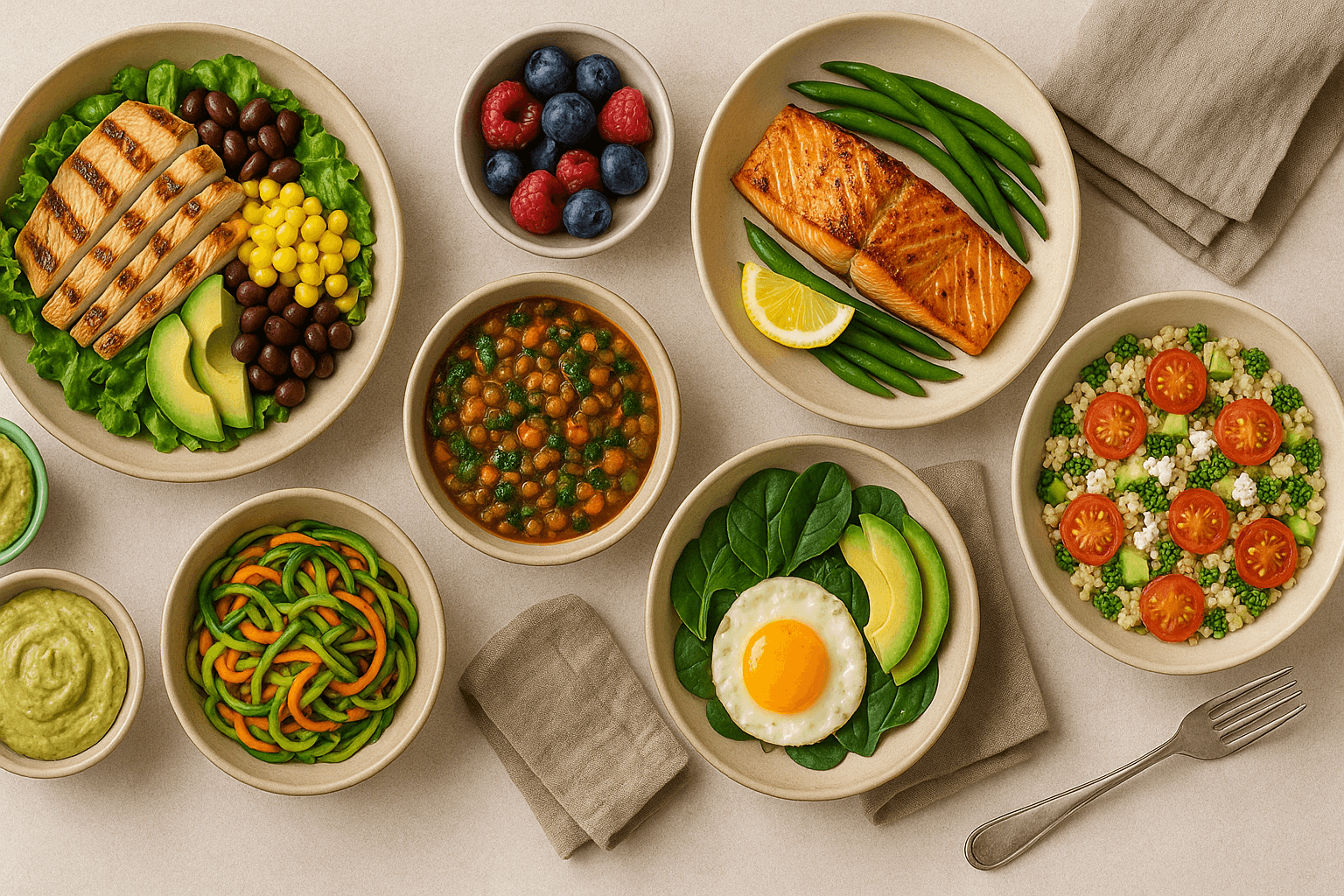
CREATE A HIGH-PROTEIN MEAL PLAN: SAMPLE DAY
Breakfast: Scrambled eggs with fresh spinach and smoked salmon on whole grain bread. This breakfast is a perfect combination of high-quality protein, omega-3’s, fiber, and antioxidants to fuel your day.
Snack: A serving of Greek yogurt with mixed berries and a pinch of chia seeds provides probiotics to support digestive health and antioxidants to support immune health, and some protein to keep us going until the next meal.
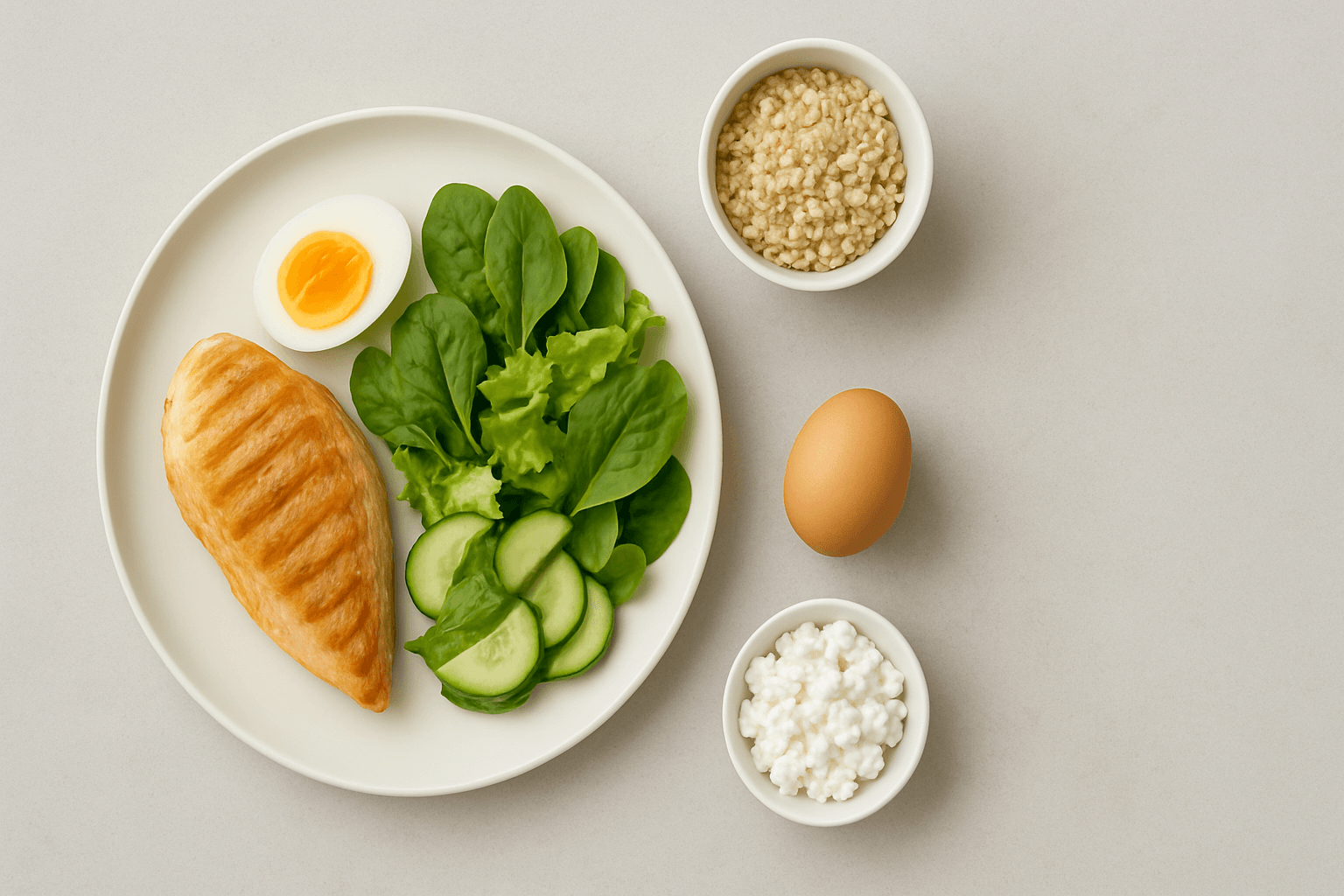
Lunch: Grilled chicken breast with a quinoa salad, including mixed greens, cherry tomatoes, sliced avocado, and a drizzle of extra virgin olive oil. Grilled chicken breast provides lean protein, while the quinoa, a whole grain, adds complex carbs. The avocado adds healthy fats to keep you full for hours. This nutrient-rich salad is satisfying and balanced.
Snack: A raw handful of almonds with a fresh apple provides a healthy combination of protein, fiber and natural sugars to fuel you and help you fend off cravings.
Dinner: Crispy baked cod with roasted Brussels sprouts and mashed sweet potatoes. The lean protein and a dose of vitamins, minerals and complex carbs are great for muscle recovery and metabolic health.
Nighttime Snack: Cottage cheese paired with sliced cucumber and fresh herbs gives you slow-digesting, muscle-repairing protein for when you sleep, and also encourages restful slumber.
Opting for different protein sources at various meals can help stymie boredom as well as ensure you’re getting the full range of nutrients needed for a wide variety of bodily processes. Pairing proteins with vegetables and healthy fats enhances nutrient value and satiety.
USEFUL IDEAS FOR A SIMPLE MEAL PLAN FOR THE WEEK
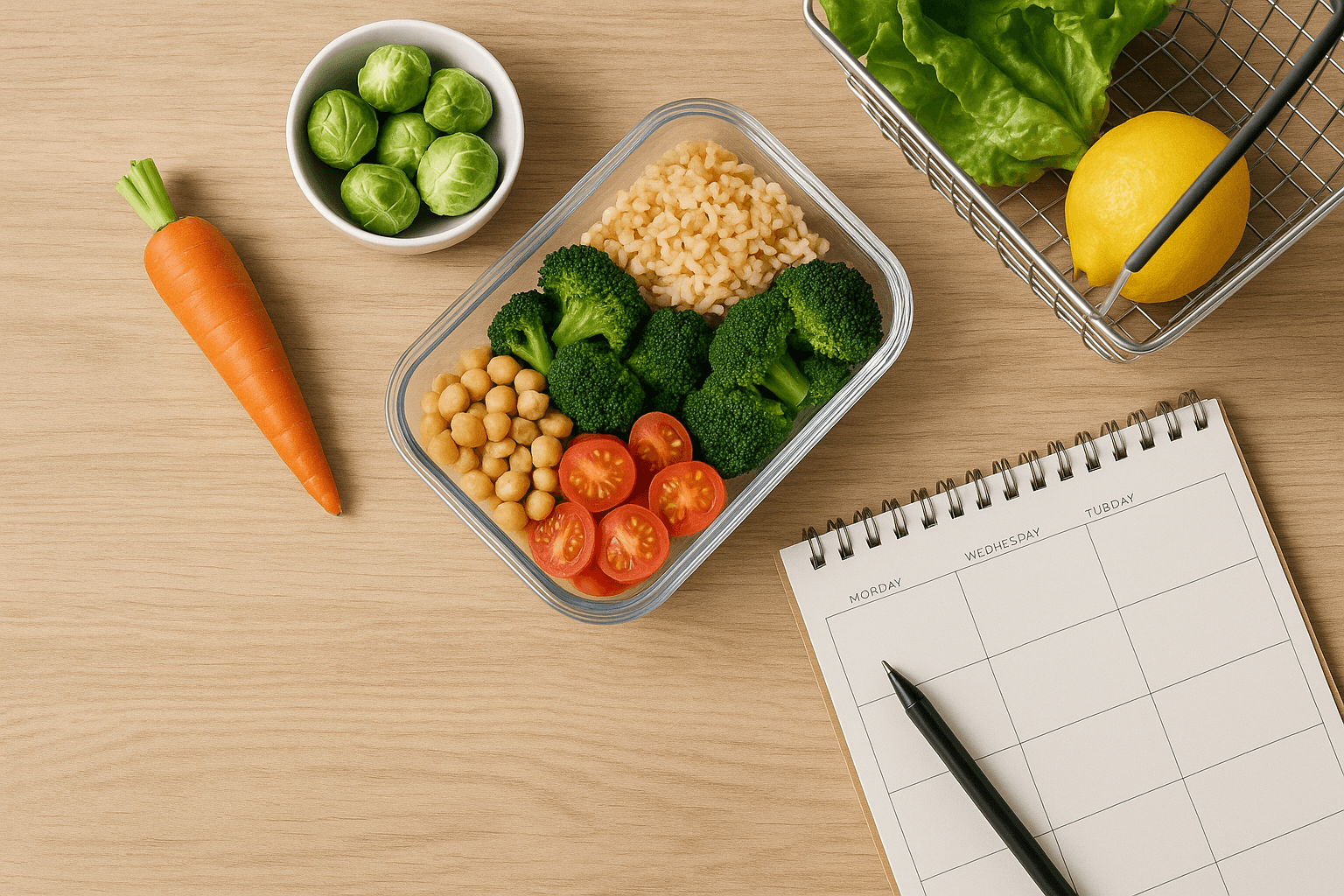
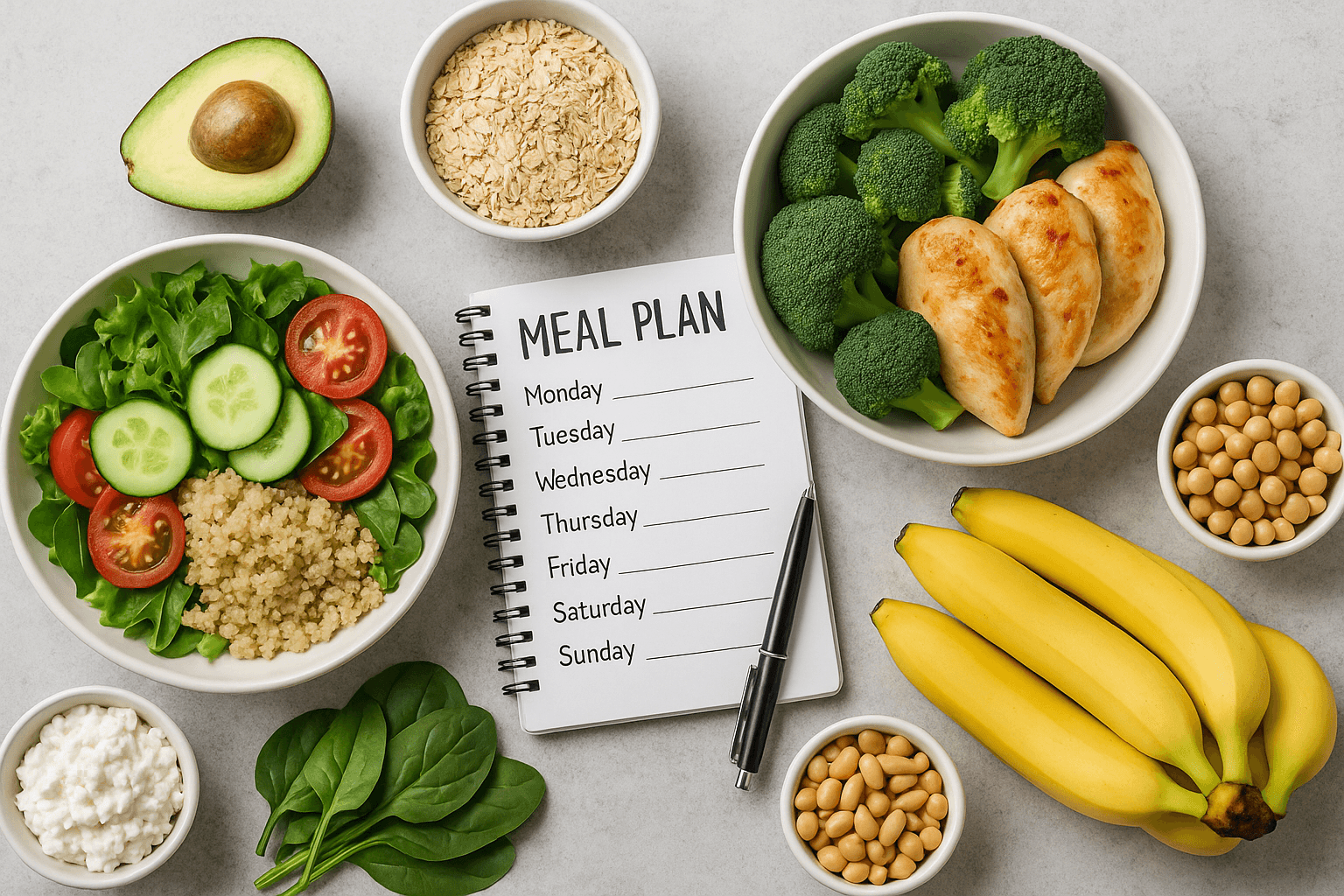
Make higher-protein ingredients in large batches as part of your weekly batch cooking to save time and have meals readily available over the course of a week.
Keep your diet well balanced and your meals entertaining and tasty.
Combine your meals with fiber-filled veggies and healthy fats to maximize nutrient uptake, stay full longer, and benefit your digestive system.
Use tracking tools like food diaries or nutrition apps to monitor and adjust your protein intake as your fitness and health goals evolve.
Stay hydrated, as water is important for digestion and metabolism in breaking down and using proteins.
POTENTIAL CONSIDERATIONS AND PRECAUTIONS
Though high-protein diets are safe and can be beneficial for most healthy individuals, those with preexisting kidney disease or certain other medical conditions should talk to a doctor before changing their dietary protein intake. It is paramount to maintain good hydration and not to neglect other nutrients to avoid possible risks.
Not enough fiber and fluid alongside too much protein can cause digestive discomfort such as constipation. So it’s important to pair your proteins with plenty of veggies and water.
FINAL THOUGHTS
High-protein diets are scientifically proven to increase muscle growth and improve the management of body weight, while also optimizing metabolic health. When you spread high-quality protein sources throughout the day and round out your meals with other nutrient-packed foods, you can enjoy great tasting meals that make you feel good while providing your body with optimal nutrition to keep your health soaring.
Somewhat slight but sustained shifts in protein consumption and meal-planning behavior can cause substantial lasting improvements in your body composition, energy, and health.