ZERO-WASTE COOKING: HEALTHY RECIPES THAT NOURISH YOU AND THE PLANET
Published on July 28, 2025
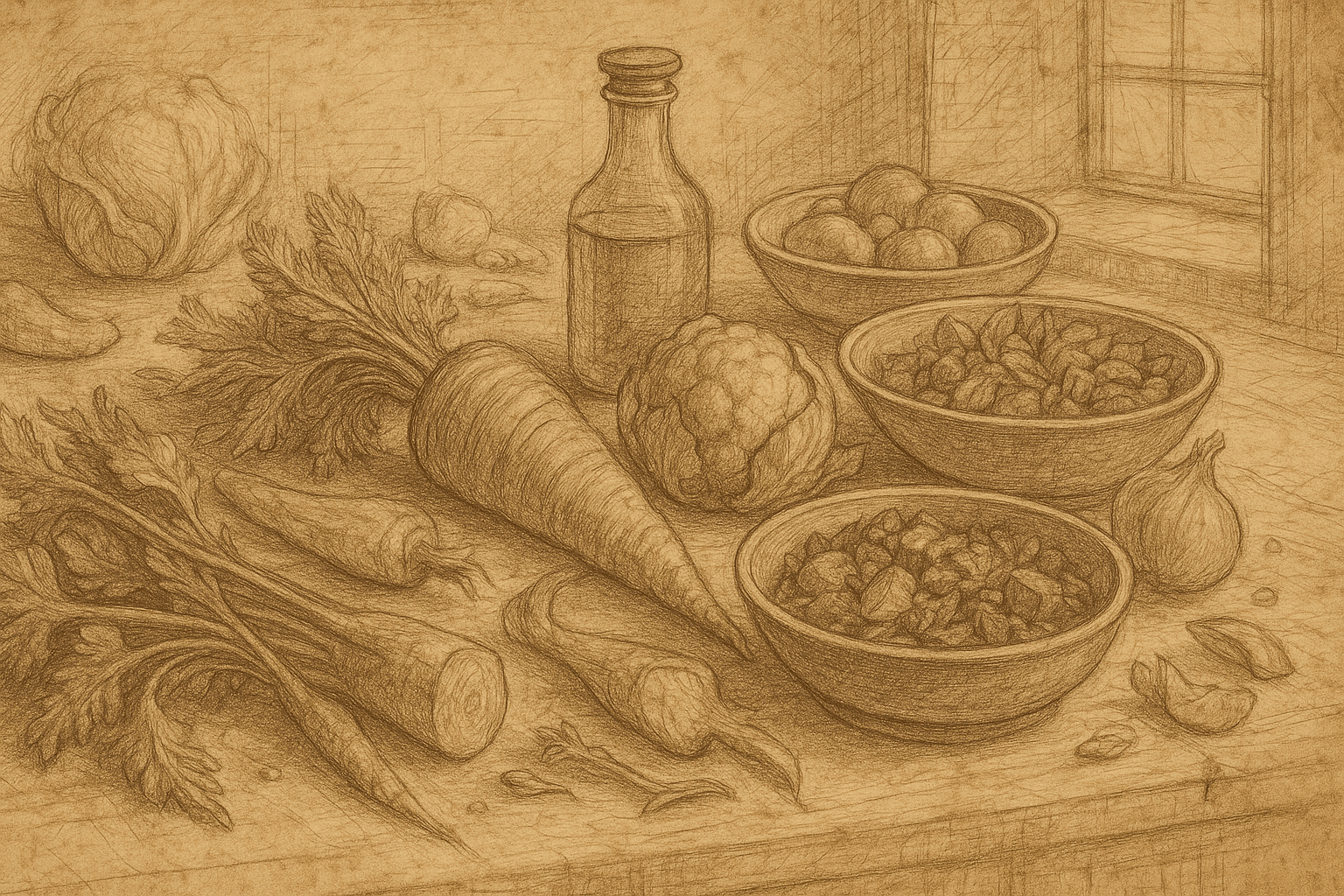
Good for you doesn’t only apply to what goes on your plate, it’s about how you source, utilize and appreciate every ingredient, from root to stem, peel to core. In a world in which almost one-third of all food produced is discarded as trash, it’s increasingly evident that “healthy” must mean more than low calories or even high nutrients. It’s about nurturing a style of cooking that nourishes your body, lifts your spirits, saves your dime and regards the earth that feeds us all. Welcome to zero-waste cooking — the wonder nature of cooking so that every meal is a win for you and the planet.
Zero-waste cooking doesn’t have to be boring, or restrictive. Quite the opposite: It’s a playful, creative game that forces you to see potential in every scrap, stem and slightly wilted vegetable. Some of the world’s most comforting foods are also the result of frugality and ingenuity — hearty soups, flavorful pestos or vibrant stir-fries that use up whatever you have lying around. You'll quickly learn that cutting back on food waste results in meals that are more colorful, creative and, well, deeply satisfying.
Why Zero-Waste Healthy Cooking Matters
Wasting food isn’t just terrible for your budget — it’s a huge contributor to climate change, as well. Food waste is inflating a bloated carbon bubble, while wasting the water, land, and energy used to grow it. When you toss wilted spinach or uneaten leftovers in the trash, you are also throwing away the resources it took to get that food from the field on to your table.
But a zero-waste approach reverses the script: You get to save money and stretch your creative muscles and do something concrete to help the planet — all from your kitchen. It’s an approach that fosters gratitude for every ingredient and satisfaction in knowing you’re making a difference with every meal. The healthiest cooking is not just what you eat, but how you cook, store and reuse it.
Zero-Waste Healthy Cooking Principles
Plan, Don’t Overbuy: The most powerful is to cook meals from what you already have. Before shopping, take a quick inventory of your fridge and pantry, and try to use up leftovers and perishable ingredients first. This simple trick keeps your food from going bad before you ever get a chance to eat it and helps keep you organized in the kitchen.
Store Ingredients Smartly: Find out how best to store each type of produce for maximum freshness. Store greens dry and in an over-the-counter bag, place herbs in a glass of water if flowers and as you’re cooking, stack older things in the front of the fridge so they aren’t forgotten. Airtight, see-through containers can also help dry goods and grains stay fresh longer.
Use Every Part: Push yourself to see each ingredient for all of its potential. Carrot tops, beet greens, broccoli stalks and orange peels can add flavor and nutrition to salad, stir-fry, sauce, or baking. Using everything “root to stem” is a skill that will save you money and surprise you, taste-wise.
Cook and Freeze: Freeze portions of stews, chilis, or sauces in labeled containers when you batch-cook so you can reheat them on days when you’re short on time or energy. Overripe fruit, for example, can be sliced up and frozen for smoothies, baking or a fast frosty snack. And save bones and veggie scraps to make your own rich, homemade broth.
Get Creative With Leftovers: Reinvent what’s survived in your refrigerator: The roasted vegetables you made last night can cover the bottom of a grain bowl today; leftover cooked grains can be the start of pancakes or fried rice; those wilting herbs can do a whir in the blender for a bright pesto. Welcome to “second-chance” recipes, so you’ll never see leftovers the same way again.
10 Healthy Zero-Waste Recipes to Get You Inspired
Root-to-Stem Veggie Stir-Fry
Raid your crisper and grab some carrot tops, beet greens, broccoli stems and other little bits and bobs. Saute with garlic, ginger and a splash of tamari, then stir together with hot, cooked grains or noodles. You will have a colorful, fiber-rich meal that is loaded with flavor — and you will never miss what you used to toss out.
Hearty Vegetable Scrap Broth
Save the peels and ends of onions, carrots and celery each time you prepare them, and toss them in a freezer bag. When you have a decent stash of them, simmer them with water, bay leaf and peppercorns, and you have yourself a deeply nourishing broth. This zero-waste workhorse is the bridge between edible and inedible, and it turns trash into treasure, taking scraps and transforming them into culinary gold. It adds an extra layer of flavor that makes everything taste better — but without any extra cost.
Chow Frittata With Leftover Veggies And Herbs from Your Garden
Chop any leftover roasted veg, greens or cooked potatoes and whisk into eggs with a little cheese. And you cook it in a skillet and bake until you have UFO like puff. Every frittata is a masterpiece — a little-mounted picture of the available ingredients — an encouraging breakfast, effortless lunch or fuss-free dinner.
DIY Freezer Smoothie Packs
Don’t throw out overripe bananas, soft berries or spinach that’s past its prime. Freeze them in small bags with a sprinkle of seeds or oats. Combine with some yogurt or plant milk for an instant, nutrient-rich, waste-reducing smoothie that will take literally seconds to make because you don’t have to chop anything.
Citrus Peel Energy Balls
Zest oranges or lemons before eating them. Combine with oats, nut butter, honey and seeds to make a fragrant, energy-packed snack. The citrusy taste perfumes everything it touches, the better to show that peels, too, were meant to have a seat at the table.
“Clean Out the Crisper” Soup
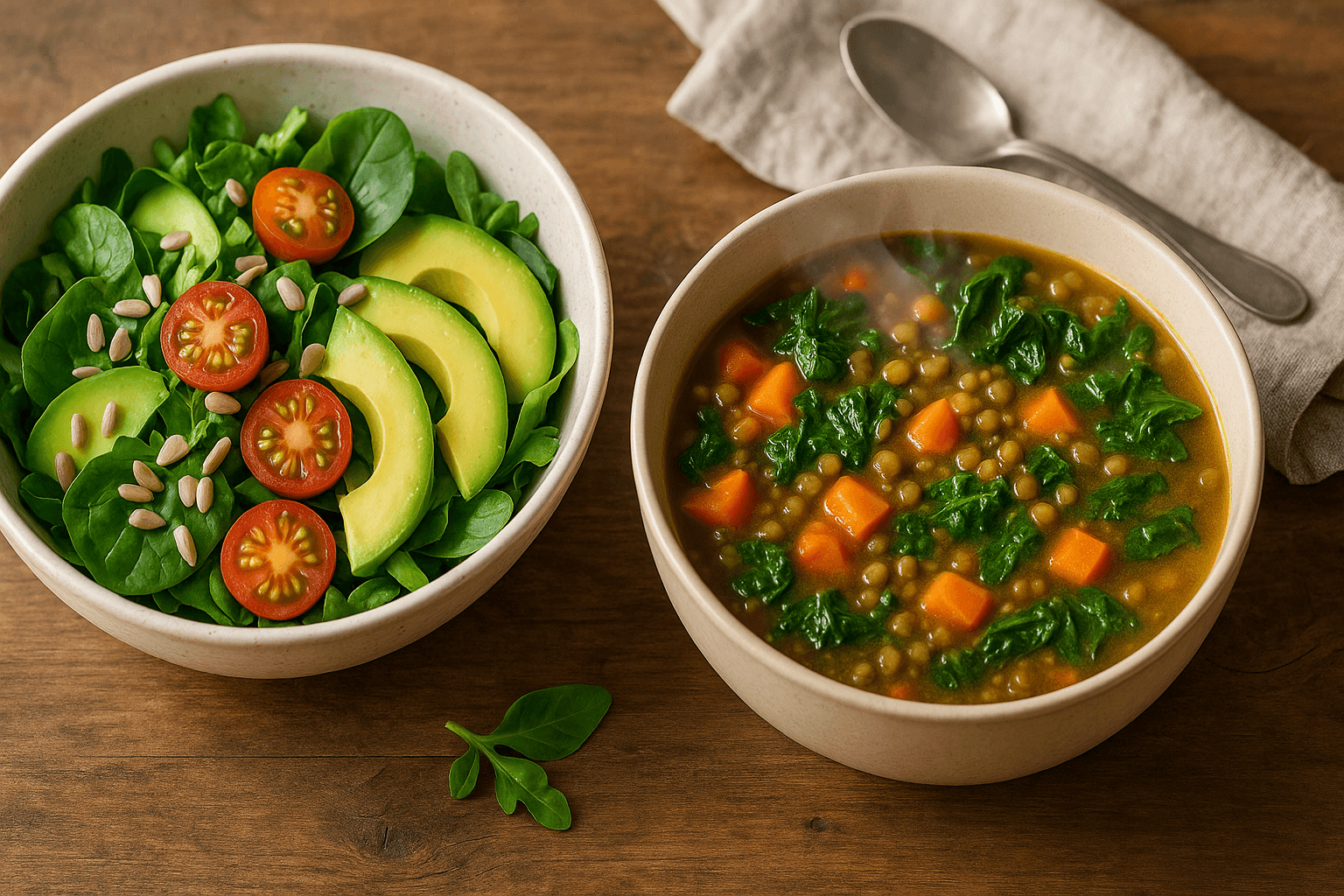
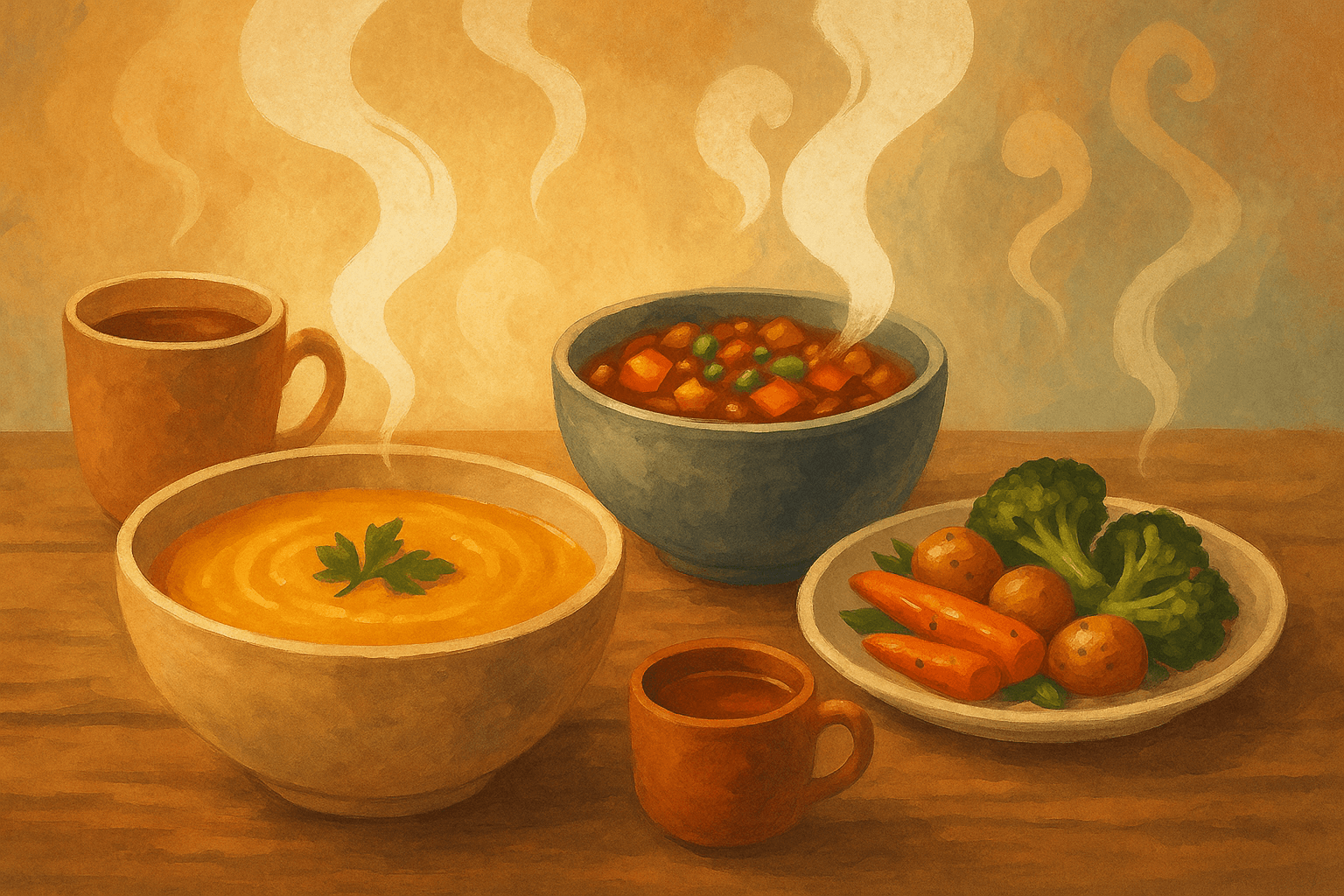
Aged veggies, faded winter greens, even soft tomatoes can hit the pot with beans or lentils, garlic, spices and homemade broth. Let it simmer until tender for a nourishing, healing soup that’s never the same twice — and always comforting.
Herb Stem Pesto
Those woody stems from basil, cilantro or parsley are packed with flavor and nutrients. Torn and tossed through pasta, stiffened with nuts or seeds, emulsified with lemon juice, garlic and oil, or even stiffened with cheese, greens are pesto powerhouses, ingredients that, combined with garlic or not, can be spread on toast, stirred through hot pasta or drizzled over roasted vegetables.
Sheet Pan “Everything” Roasts
Line up root veggies and peppers and onions and stuff that there is to use. Toss with olive oil and herbs, then roast until caramelized. You get the deepening of flavors from high heat, but even the slowest, most tired vegetable tastes good. Serve as a side, or mound on top of salads and bowls.
Banana Peel “Pulled Pork” Tacos
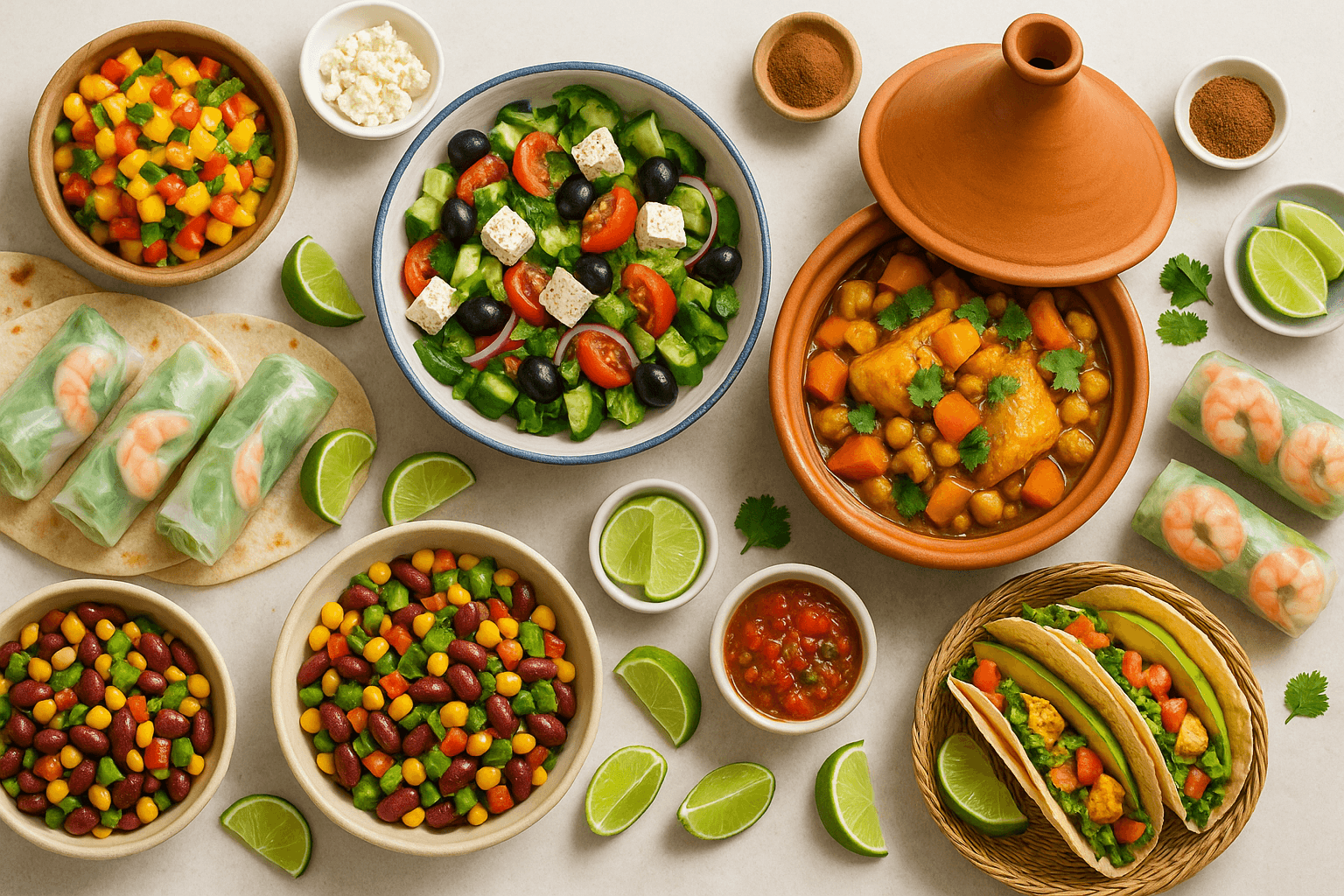
Yes—banana peels! Scrape and shred well-washed peels, then sauté with onions, garlic, smoked paprika and tomato paste. The result is a firm, fiber-rich taco filling that’s delicious with avocado and salsa. Don’t knock ‘till you try!
Apple Core and Peel Tea
Simmer apple peels and cores with a cinnamon stick and lemon zest. Strain out my scraps and relish in a naturally sweet, fragrant tea that boosts my immunity and saves every last bit of my fruit.
Simple Tips for Zero-Waste Healthy Cooking
Compost Scraps:
Even the most zero-waste cooks have scraps left over every now and again. Composting reintroduces nutrients to the soil, closes the food loop and mitigates the release of methane from landfills.
Share and Swap:
If you have an excess from your garden or batch cooking, pass them to a neighbor or trade for something different. Food is much more filling when you break bread with others.
Cook “Ugly” Produce:
Ugly, weird and deformed fruits and vegetables taste as good as pretty ones. Opting for them will bring down the amount of waste dumped by supermarkets — and they’re often cheaper as well.
Get Kids Involved:
Encourage kids to help rinse, chop and cook along. Teach them to find magic in turning scraps into meals — and that ‘waste’ is a word that doesn’t belong in kitchens, then you can look forward to growing a lifelong respect for food in them.
Celebrate Imperfection:
Zero-waste cooking should be an adventure, not a test. You’ll try some experiments that are busts, but you’ll also acquire new skills and develop new creative habits. Each effort makes it a little easier for someone else.
The More Profound Joy of Zero-Waste Cooking
Zero-waste cooking isn’t simply about minimizing your environmental impact. It’s about cultivating a more aware, pleasurable and thankful relationship with the food that’s on your plate and comes from the earth. There is deep pleasure in making something nourishing and beautiful out of “scraps,” and in finding that making do means more flavor and more meaning at the table.
You cook this way as a kind of gratitude — a daily practice akin to yoga that reminds you how interconnected everything is. The more you learn to honor every ingredient, the more you feel connected to the farmers and the soil and the seasons that have converged to put those ingredients on your plate. This kind of thinking can make even the most basic soup or snack an expression of care for yourself, for your loved ones and with the world.
Parting Words: Care for Yourself, Care for the Planet
Healthy eating is about far more than calories or superfoods. It’s about respect — for your body, your resources, and the planet. Zero-waste cooking is freedom to make a difference with every meal, to choose creativity over convenience, and to find joy in every step of the process. Begin today — raid that crisper, save those stems and peels — and let your next healthful recipe be one that amounts not just to a love letter to yourself, but to the earth that supports us all. We can nourish our bodies and help heal the planet one meal at a time.