Muscle vs. Glucose: Why Your Muscles Are the Ultimate Weapon Against Type 2 Diabetes
Published on June 12, 2025
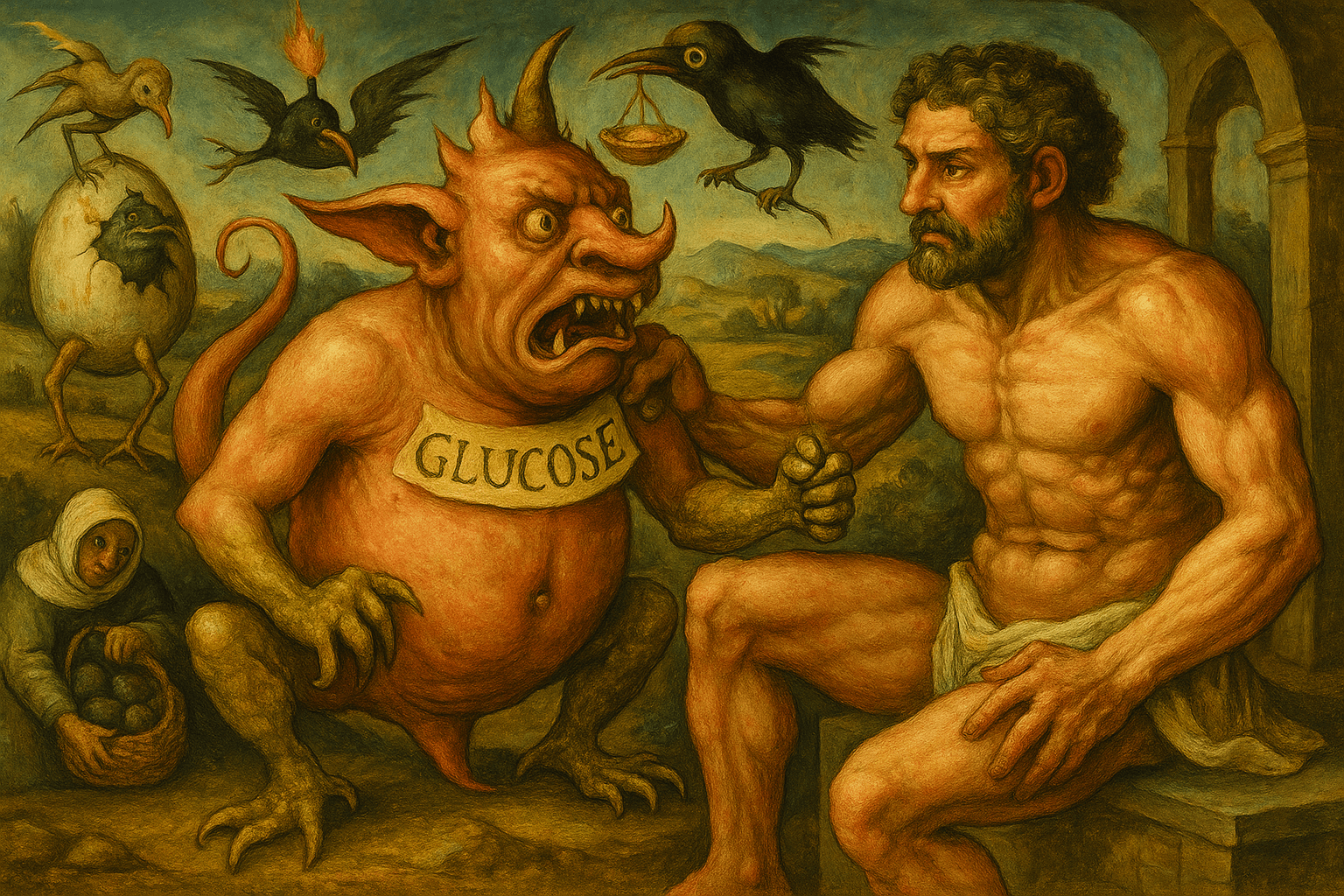
Muscles: Your Blood Sugar’s Unsung Heroes
Muscle tissue is the largest glucose sink in the human body. It stores glucose as glycogen and burns it for fuel—especially after meals or during exercise. The best part? Muscles can pull glucose out of the blood without needing insulin.
When muscles are active and plentiful, they help regulate blood sugar naturally. But when muscle is lost or underused, glucose uptake decreases, paving the way for insulin resistance.
Insulin Resistance and Muscle Breakdown
In type 2 diabetes, insulin resistance starts in muscle cells. Contributing factors include:
Lack of physical activity or sedentary lifestyle
Loss of lean muscle mass
Chronic low-grade inflammation
Mitochondrial dysfunction in muscle tissue
Intramuscular fat buildup (lipotoxicity)
The result: glucose gets trapped in the bloodstream, regardless of your sugar intake.
Strength Training: Your Natural Glucose Disposal System
Muscles are highly adaptable. Resistance training can:
Enhance glucose uptake
Improve insulin sensitivity by 15–30%
Lower HbA1c
Support metabolic flexibility and fat loss
And you don’t need a gym. Bodyweight movements like squats and push-ups, or resistance bands, can trigger major benefits—especially with slow, controlled repetitions.
Even eccentric (lowering) motions activate GLUT4, the glucose transport protein.
Why Cardio Isn’t Enough
Aerobic activities (walking, swimming, biking) help, but they don’t build muscle the way resistance training does. The best combo is both:
Retain muscle while losing fat
Improve glucose disposal
Get better glycemic control over time
A post-meal walk reduces immediate spikes; strength training builds long-term metabolic resilience.
The Role of Mitochondria
Healthy muscles = healthy mitochondria. These energy factories burn glucose and fat for fuel. With resistance or HIIT training, you can:
Increase mitochondrial density
Boost glucose tolerance
Lower inflammation
Improve overall energy use
Fueling Muscles and Supporting Blood Sugar
Support muscle with:
Protein: 1.2–1.6 g/kg body weight per day
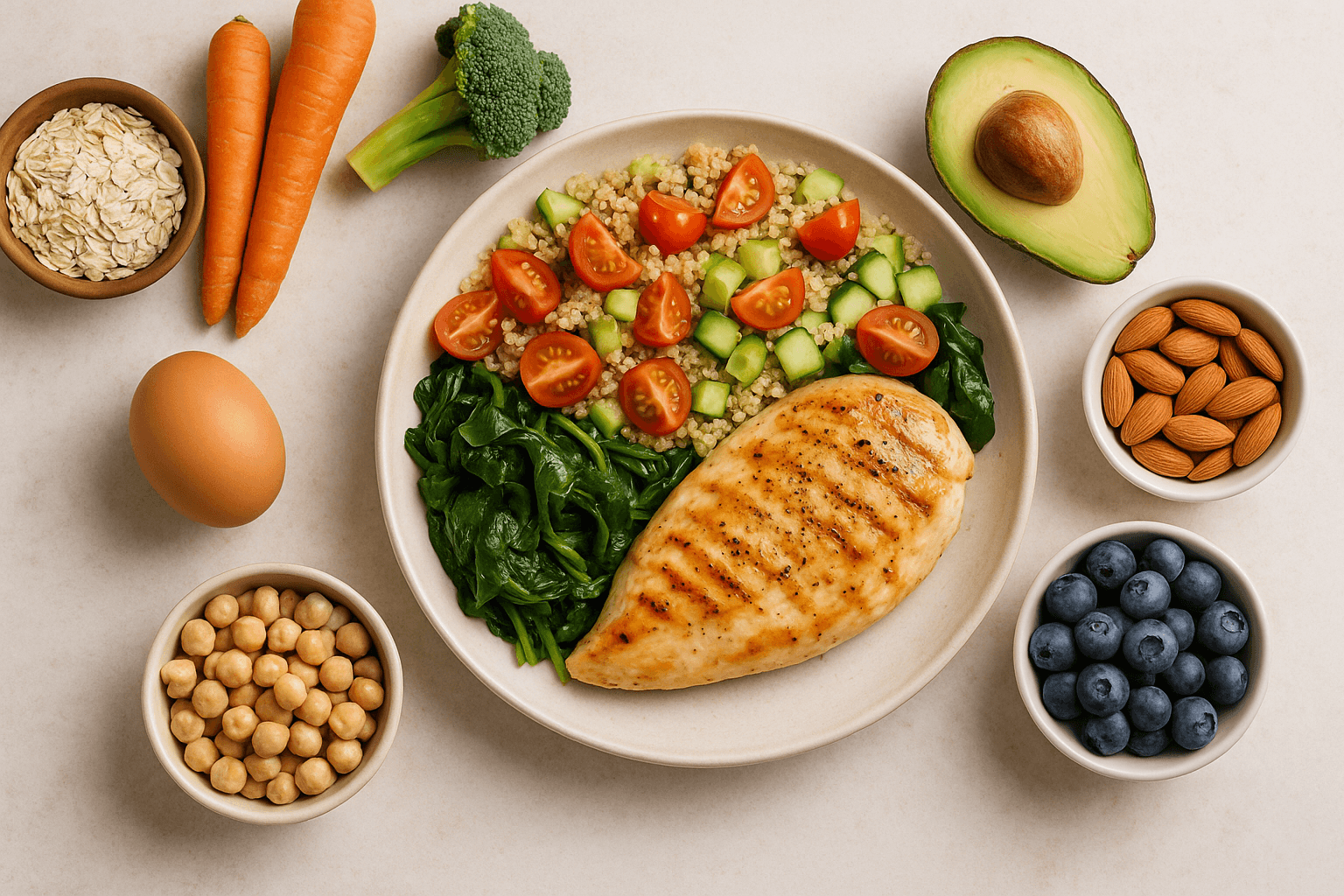
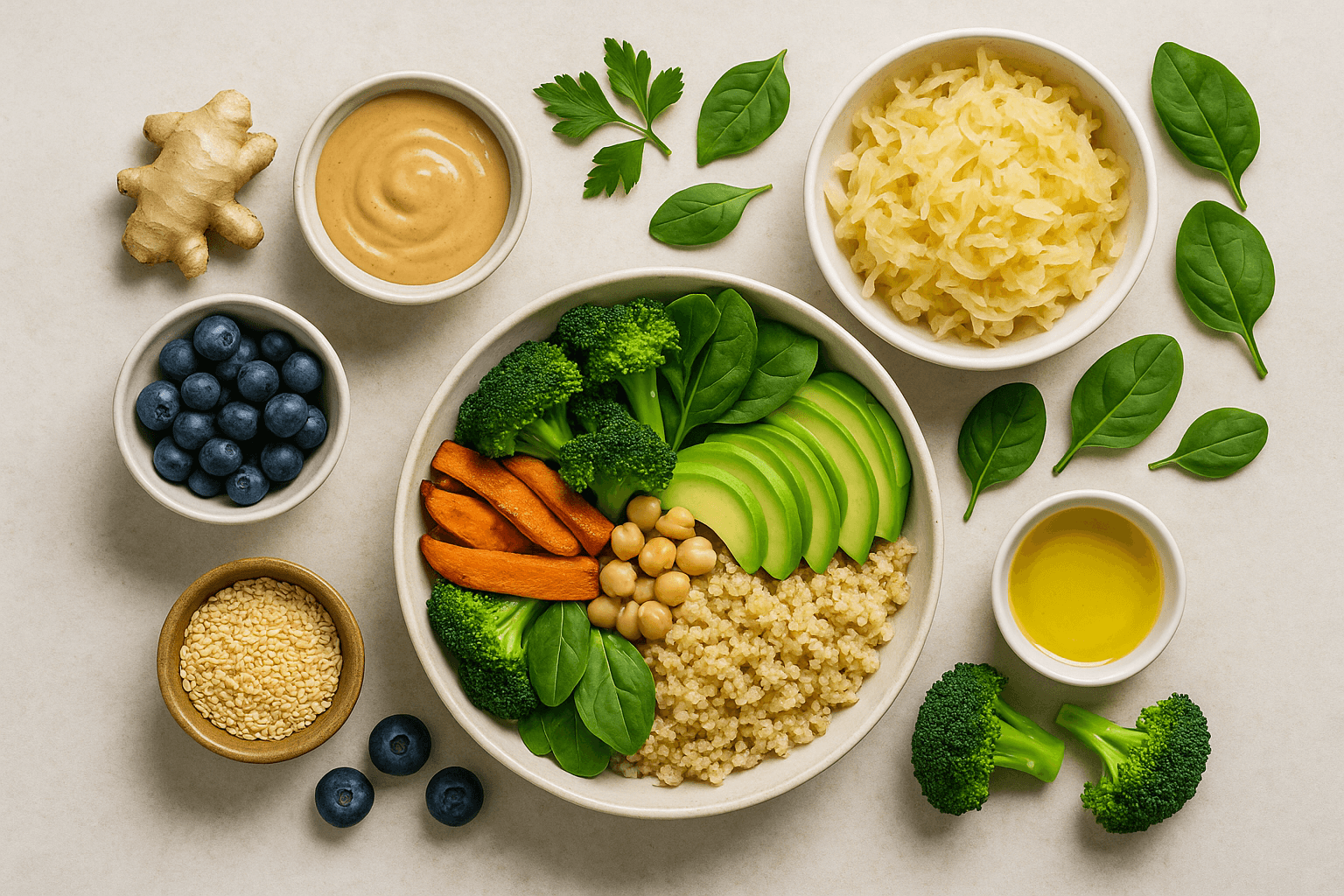
Complex carbs: whole grains, legumes, root vegetables
Healthy fats: olive oil, nuts, seeds
Micronutrients: magnesium, vitamin D, chromium
Pro tip: eat carbs after your workout when insulin sensitivity peaks. And pair carbs with protein to slow sugar absorption and aid recovery.
Getting Started: Strength Training Made Simple
No gym required—just start with:
Bodyweight moves: squats, lunges, push-ups, planks
2–3 sets of 10–15 reps
Resistance bands or light weights
Full-body movements > isolated muscles
Gradual progression: add weight or reps weekly
2–4 sessions per week + walking = powerful combo
Recovery Matters Too
Sleep 7–9 hours
Stay hydrated
Stretch or do gentle yoga
Real-Life Success Stories
A 55-year-old woman lowered her HbA1c from 6.3% to 5.7% in 4 months by adding 20 minutes of resistance training 3x/week.
A 42-year-old man swapped 5 jogs a week for 3 strength sessions + walking—and improved his blood sugar.
A 67-year-old retiree started chair-based strength training and brought his post-meal spikes under control.
Closing Thoughts: Muscle Is Medicine
Your muscles aren't just for looks. They’re critical tools in managing type 2 diabetes.
Build them. Fuel them. Train them.
Because the stronger your muscles, the more intelligent your metabolism becomes. This isn’t about perfection—it’s about progress.
Start now. One rep, one step, one choice at a time.
Because when your muscles go to work, your blood sugar listens.